
The Ivy Pull Is Back — Twice This Fall
Two more Saturday mornings at Abrams Park, October 17 and November 14. Here's what English ivy is actually doing to Ridgefield's trees, why pulling it by hand is still the best fix anyone has found, and everything you need to know to show up.
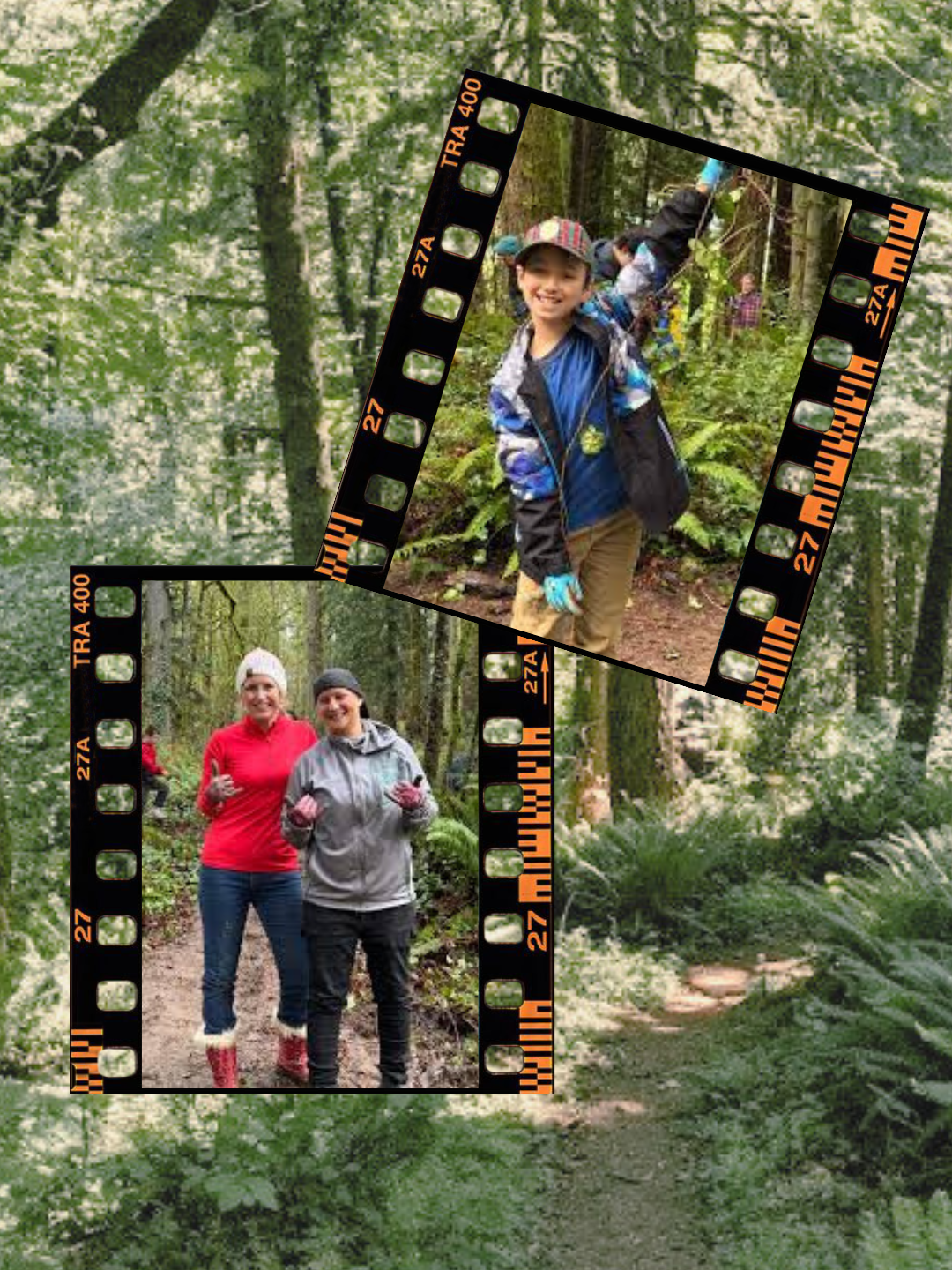
If you came out in May, thank you — the trees noticed. If you didn't, good news: you get two more chances before the year is out. The Ivy Pull returns to Abrams Park on Saturday, October 17, and again on Saturday, November 14, and the ivy, as always, has not taken the summer off.
Every few months a crew of Ridgefield residents pulls on gloves and spends a morning yanking ivy off trees and out of the ground. If you've driven past and wondered what they're doing, or whether it's actually working, this is for you. Short version: English ivy is one of the most damaging invasive plants in the Pacific Northwest, and without regular removal it will quietly take over the park.
Wait — What's Wrong with Ivy?
English ivy (Hedera helix) came to North America as an ornamental ground cover. It looks tidy, stays green all year, and grows without much fuss. That's exactly the problem. In Europe it's kept in check by insects, diseases, and animals that evolved alongside it. Here, none of those natural brakes exist, so it just keeps going.
On the ground, it spreads in dense mats that block sunlight and crowd out native plants before they can take hold. That's bad. What it does once it starts climbing is worse.
Ivy doesn't strangle a tree outright, but it competes for water and nutrients, holds moisture against the bark, and loads up the canopy so the whole tree catches more wind. That's why ivy-covered trees come down more often in storms.
Then there's the wildlife angle. Dense ivy erases the layered forest floor — ferns, native shrubs, wildflowers, mosses — that birds, insects, and small mammals rely on. According to the City of Ridgefield, ivy reduces wildlife habitat by at least 80 percent where it takes over. For a town that sits right next to a National Wildlife Refuge, that is not a small number.
Why Not Just Spray It?
It's the first question everyone asks. Herbicide is an option in some situations, but ivy needs repeated applications to kill established plants, and drift can damage the native species you're trying to save. In a park with mixed vegetation, nearby water, and plenty of kids and dogs, hands win.
Hand-pulling is slower, obviously. It's also precise, chemical-free, and it works. And the technique is simpler than you'd think — you don't have to climb anything.
Is It Actually Working?
Yes, in the areas that get regular attention. Invasive removal is never one-and-done. Birds eat the berries and drop seeds along the edges, and any root fragments left in the soil can sprout again. So another pull on the calendar isn't a sign the last one failed — it's the reason the last one is holding.
Think maintenance, not renovation. The first pull in a badly overgrown patch is the hardest. Every visit after that is about managing regrowth instead of fighting an established mat, and the trees that have been ivy-free for a few seasons look noticeably healthier for it. Two pulls back to back this fall means the crew can hit new ground in October and follow up in November.
October 17 and November 14 — What to Expect
Ivy Pull at Abrams Park
Saturday, November 14, 2026
It runs three hours and you can stay for as much or as little of it as you've got. There's a short how-to demo at 9 AM, then everyone gets to work. Gloves and tools are on hand, and you're welcome to bring your own, though the crew mostly uses their hands. Ivy comes out cleaner that way than you'd expect. Park anywhere in the Abrams Park lot and look for the registration table.
Fair warning: this is a real workout. Expect bending, pulling, and walking and standing on uneven ground with some tripping hazards. Watch your footing and take breaks when you need them.
Questions? Contact the Ridgefield Garden Club: Heather at 360-281-8367 or Laura at 707-225-5594.
Why This Matters for Ridgefield Specifically
Ridgefield is in an unusual spot: a small, fast-growing city with a National Wildlife Refuge more or less in the backyard and a community that actually cares what that landscape looks like. Most towns don't have that.
It also means what happens at the park level connects directly to the health of a habitat worth protecting. The Ivy Pull isn't civic busywork. It's one of the most tangible things a resident can do with three hours on a Saturday morning — and this fall you get to do it twice.
Quick Questions
Do I have to come to both?
Nope. Come to one, come to both, come for an hour. Every bit of cleared ground counts.
I've never done this. Is that a problem?
Not at all. The 9 AM demo covers everything, and the regulars are happy to show you the ropes. Or the vines, technically.
What if it rains?
Dress for it. If the weather turns serious, check the city calendar listing for updates before heading out.
More from Meanwhile in Ridgefield
If you've been meaning to try the Ivy Pull every time it shows up on the calendar, this is your fall. Pick a Saturday, bring boots, and come meet the neighbors who've been quietly saving the trees in Abrams Park.
