
Ridgefield Fall Garden Guide: What to Plant Now
Mid-October is the sweet spot in our corner of Clark County: bulbs go in, beds get tucked in, and the hose gets drained before the first frost shows up. Here is the whole year, in plain English, from someone who also had to Google it.
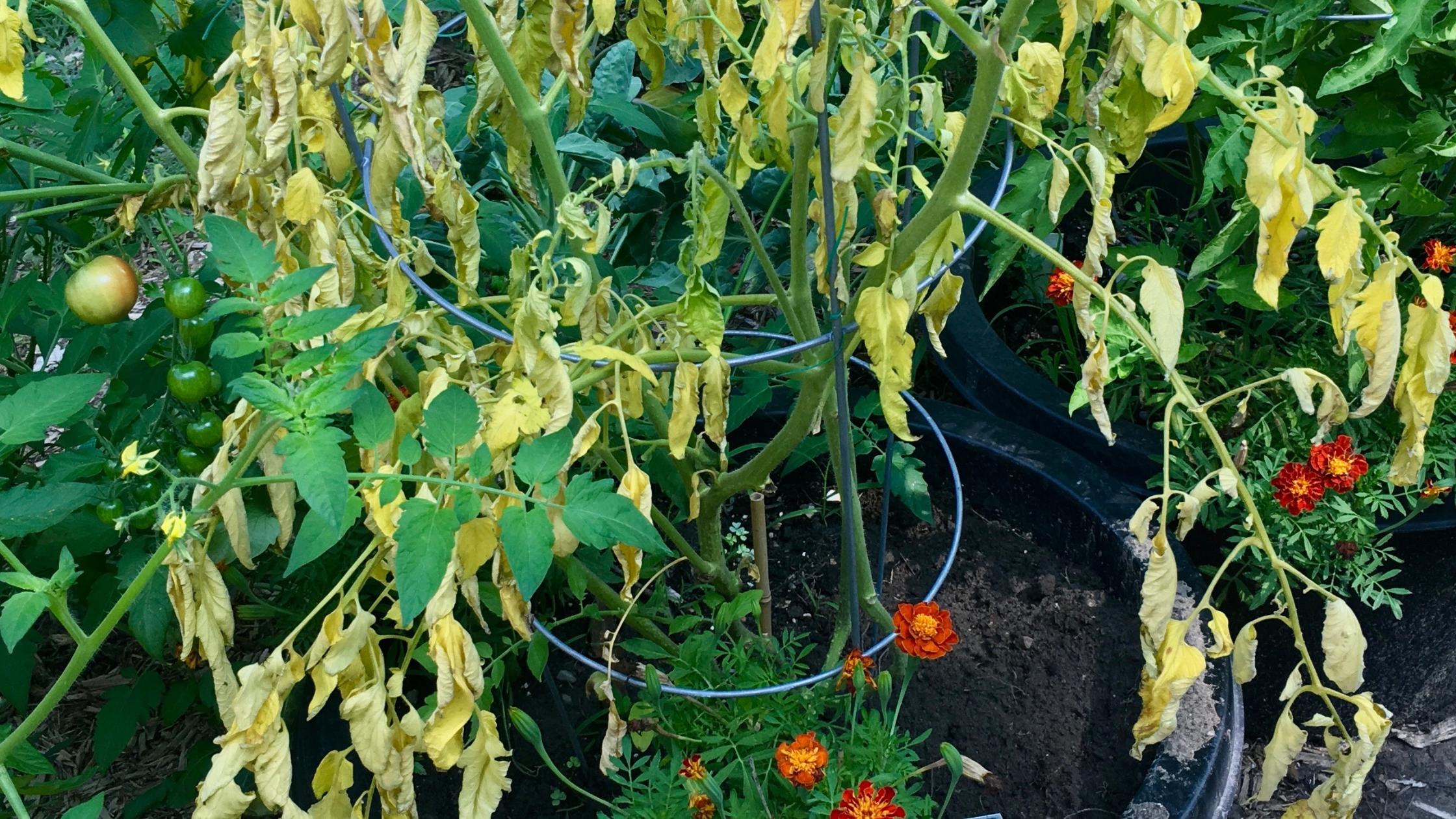
Confession: my thumb is not green. It is somewhere between yellow and "she means well." Every October I stand in my yard looking at a pile of droopy hostas, a tomato plant that has clearly given up, and a bag of daffodil bulbs I bought on impulse, and I think: what am I actually supposed to be doing right now?
So I did what we all do. I Googled it. Then I double-checked the answers against people who actually know things, mainly the WSU Extension Clark County Master Gardeners, because the internet loves to hand out gardening advice written for somewhere with real winters. (I'm from Jersey. I know real winters. This is not that.)
What follows is the whole garden year for Ridgefield, broken into the windows that matter. If you only read one part, read the checklist below and go drain your hose.
First, Know What You're Working With
Ridgefield sits in USDA Hardiness Zone 8b, which means our coldest winter nights usually bottom out somewhere between 15 and 20 degrees. Translation: mild, wet, and gray, with the occasional ice event that reminds everyone to buy a scraper.
The thing that actually shapes our garden calendar is rain. Ridgefield gets most of its roughly 44 inches a year between November and January, and that soggy stretch is why so much fall advice here is about protecting soil, not protecting plants from the cold.
Ridgefield Garden Basics
Mid-October to Late November: Bulbs and Garlic
This is the fun part, because it's the part where you do a little work now and get a full-on flower show in March. Spring bulbs want to go in once the soil has cooled down but before the ground gets cold and waterlogged. Right now is right.
Spring bulbs
Daffodils, tulips, alliums, crocuses and hyacinths all go in pointy end up, at a depth of about three times the bulb's height. A two-inch tulip bulb goes roughly six inches down. Don't overthink it. If you plant one upside down, it will figure it out, just slower and with some attitude.
A note for those of us who share our yards with the neighborhood wildlife: daffodils and alliums are your friends, because deer and rodents generally leave them alone. Tulips and crocus, on the other hand, are basically a snack bar. Plant those somewhere you can protect them, or plant them knowing the squirrels might get a vote.
Garlic
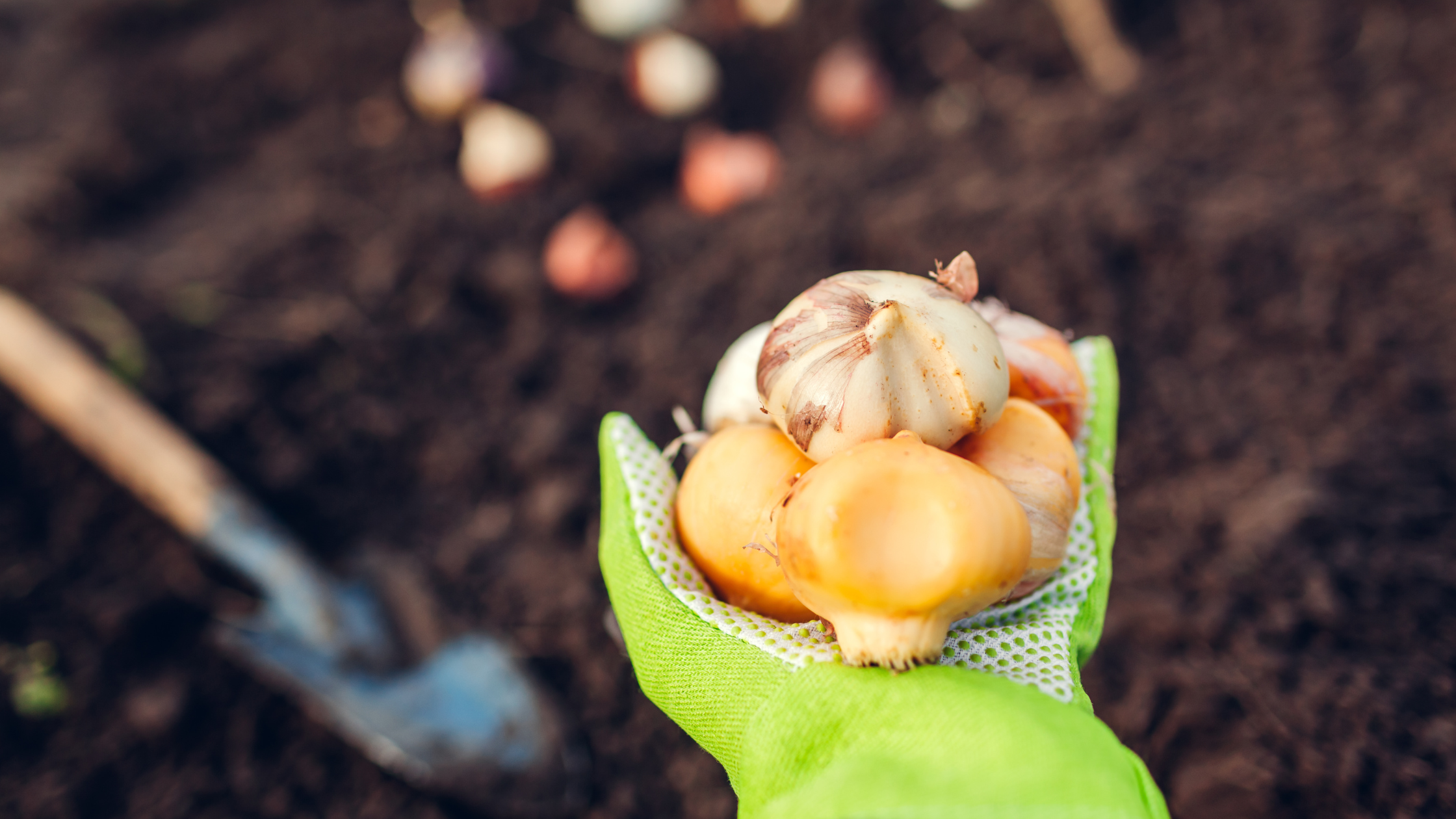
Garlic is the gateway crop for yellow thumbs. You stick a clove in the ground in fall, ignore it all winter, and dig up a whole head next July. Break the bulb into cloves right before planting, set each one about two inches deep with the pointy end up, and space them four to six inches apart.
One small correction to the internet: the WSU Extension garlic guide actually points western Washington gardeners toward late fall, around November, for planting. So you're not late. You're early. Use certified seed garlic rather than grocery store garlic, which can carry disease and is sometimes treated to keep it from sprouting.
Mulch it
Top your bulb and garlic beds with a few inches of clean straw, shredded leaves or arborist wood chips. WSU suggests three to four inches over garlic. Mulch acts like a rain jacket for your soil, keeping it from compacting and washing out when the November downpours show up.
Late October to Mid-November: The Tidy-Up (But Not Too Tidy)
Here's the good news for the lazy among us: you don't have to clean up everything. In fact, you shouldn't.
Leave the sturdy stuff standing
Plants with seed heads, like echinacea (coneflower), sedum and ornamental grasses, can stay right where they are through winter. Birds pick at the seeds and beneficial insects shelter in the stems. Your yard looks a little wild, and you get to call it habitat. Everybody wins.
Pull the mushy and the sick
What does need to go: hosta leaves, peony foliage and spent squash vines, along with anything that looks diseased or mildewed. Left in place, they become slug condos and a place for fungal spores to wait out the winter. Toss diseased material in your yard debris bin rather than your home compost pile, since backyard piles usually don't get hot enough to kill the problem.
Put the veggie beds to bed
If your vegetable beds are empty, spread one to two inches of compost over them and leave it. The winter rain slowly works those nutrients down into the soil for you, no tilling or digging required. Top it with burlap, cardboard or a thick layer of straw to keep the heavy rain from washing the nitrogen right out.
January to February: Prune and Plant Bare-Root
Once the plants are fully dormant, pick a dry day that isn't freezing and get outside. This is the window for:
- Bare-root plants. Fruit trees, cane berries and roses are sold bare-root (no pot, no soil) in winter, usually for less money. They go in while the roots are still asleep.
- Pruning fruit trees. Apples, pears, plums and cherries get thinned out so light and air can move through the branches, which helps cut down on mildew and scab in spring.
- Cleaning up berry canes. Cut the raspberry and blackberry canes that already fruited this year down to the ground. They won't fruit again.
If pruning makes you nervous (same), the Master Gardener Answer Clinic listed below takes exactly these kinds of questions.
February to Early March: Start Seeds Indoors
If you want to grow from seed, this is when you set up a little grow-light station in the garage or spare room.
- Late February: onions, leeks and cool-season brassicas like kale, cabbage and broccoli.
- Early to mid-March: tomatoes, sweet peppers and eggplant. These need about six to eight weeks indoors before they go outside.
Not a seed person? No shame. The nurseries below will have starts ready in spring, and buying a tomato plant in May is a perfectly valid gardening strategy. It's mine.
March to April: Back Outside
As soon as the soil is workable (meaning it crumbles in your hand instead of squishing like brownie batter), you can sow radishes, sugar snap and snow peas, spinach and arugula directly in the ground.
By mid-to-late April, it's time to transplant the hardened-off brassicas you started indoors and sow root crops like carrots and beets. Hold off on the tomatoes and peppers until nights are reliably warm. Those plants sulk in the cold, and a sulking tomato is a tomato that gives you three tomatoes.
Where to Shop and Who to Ask
You don't have to go far for bulbs, garlic, compost or a second opinion. A few local spots worth knowing:
Ridgefield · Nursery
All Season Plants
21000 NW 39th Ave., Ridgefield · 360-567-4000
Right here in town, All Season Plants is a 10-acre nursery growing hundreds of species and cultivars, including native plants that support local wildlife. Good stop for shrubs, perennials and anything you want to add to the yard this fall while the rain does the watering for you.
Hours have been listed as weekdays only, so call before you make the drive.
Vancouver · Garden Center
Dennis' 7 Dees Vancouver Garden Center
10006 Mill Plain Blvd., Vancouver · 360-892-7880
Long-timers will remember this spot as Shorty's. Dennis' 7 Dees took it over in 2016, and it's now the company's largest garden center. It's a solid one-stop shop for bulbs, soil, mulch, tools and a staff member to ask, "Wait, which end is up?"
Woodland · Nursery
Tsugawa Nursery
410 E. Scott Ave., Woodland · 360-225-8750
A family-owned nursery just up I-5 in Woodland, known for its plant selection, soil amendments and bonsai classes. A quick drive north and a nice excuse for a Saturday outing.
Free Help · Expert Advice
WSU Clark County Master Gardener Answer Clinic
Heritage Farm, 1919 NE 78th St., Vancouver · 564-397-5711
This is the yellow thumb's secret weapon. Trained Master Gardener volunteers answer questions about pests, plant problems, soil and seasonal timing, for free. You can call, email photos to [email protected], or walk in during clinic hours.
Yellow-Thumb FAQ
Is it too late to plant bulbs?
Not even close. Mid-October through late November is the window here. If the ground isn't frozen or completely waterlogged, you can plant.
Can I just plant garlic from the grocery store?
You can try, but WSU recommends certified seed garlic, which is grown for planting and free of pests and disease. Grocery garlic may be a variety that doesn't suit our climate, and some is treated to keep it from sprouting.
Do I have to rake up every single leaf?
Nope. Shred some and use them as mulch on your beds, and leave a few piles in out-of-the-way corners for overwintering insects. Just keep them off the lawn and out of the gutters.
Why does everyone keep telling me to drain my hose?
Water left in an outdoor faucet or hose can freeze, expand and crack the pipe. Our first frost usually arrives in late October, so this is a "do it this weekend" job, not a "do it eventually" job.
What if I do absolutely nothing?
Honestly? Your garden will mostly survive. But spend one afternoon planting bulbs and mulching, and March-you will be very smug about it.
More from Meanwhile in Ridgefield
Planting bulbs this week? Have a garlic trick, a deer-proof plant, or a nursery I missed? Send it my way. I'm collecting yellow-thumb wisdom for the spring version, and I fully intend to steal your good ideas.
