
Everything Families Need to Know About the Ridgefield Wildlife Refuge
Everyone in town has heard of it — but what is it actually like, especially for families? Here is an honest, practical breakdown so you can plan a visit that works for your kids, your schedule, and your tolerance for muddy boots.
What the Ridgefield National Wildlife Refuge Actually Is
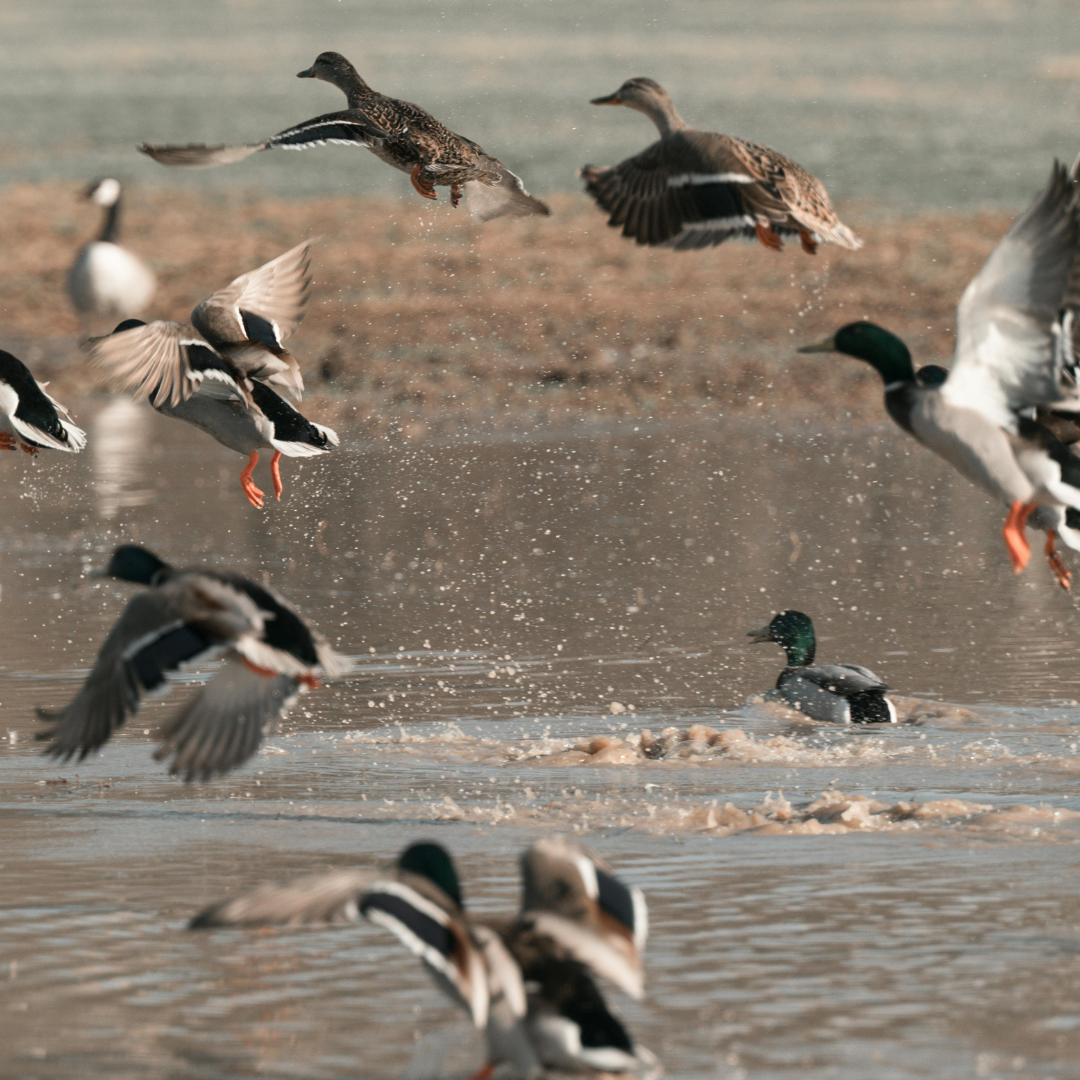
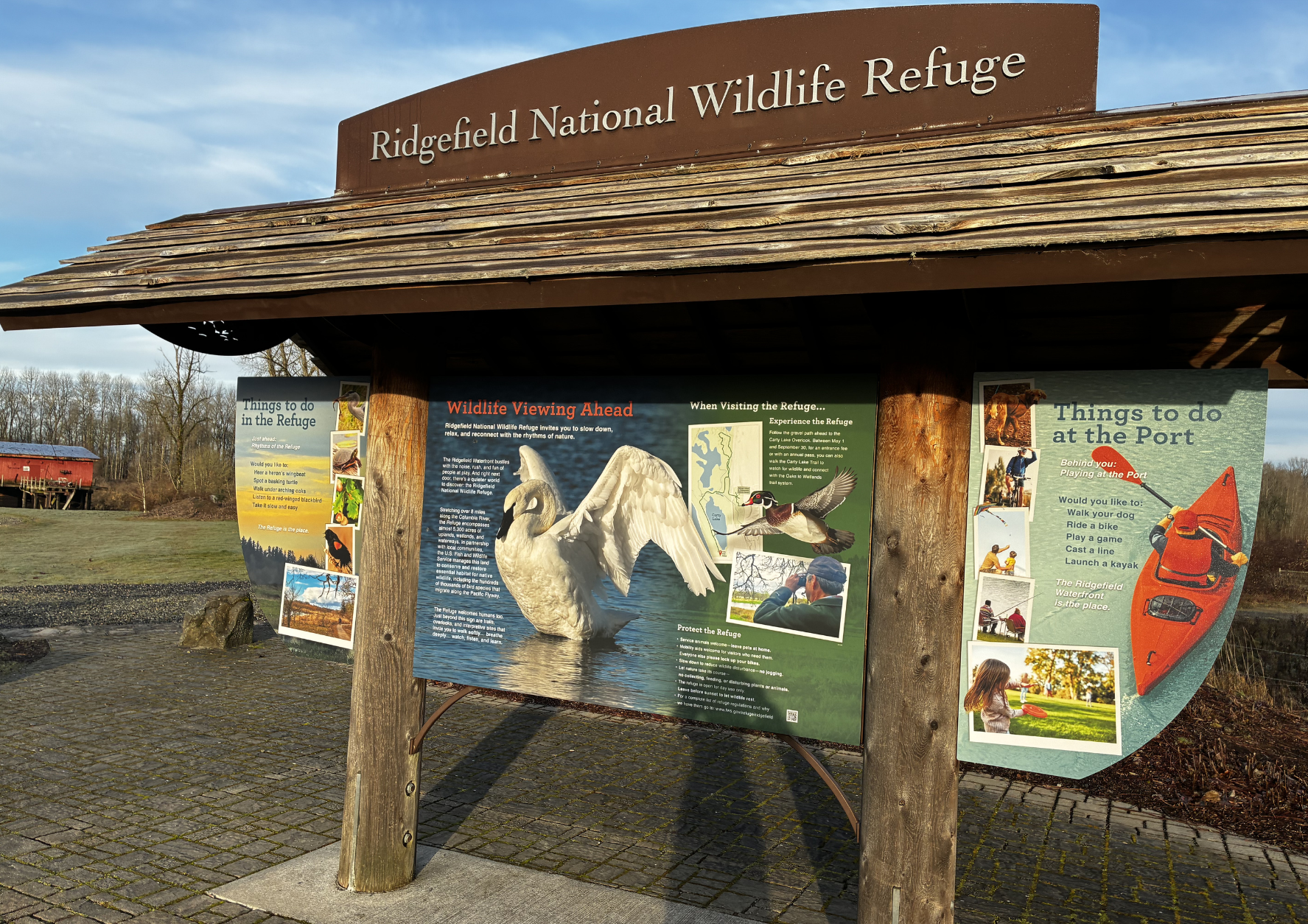
The Ridgefield National Wildlife Refuge (RNWR) is a 5,000-plus-acre protected area managed by the U.S. Fish & Wildlife Service, tucked between Ridgefield and the Columbia River. It is home to marshes, grasslands, woodlands, and wetland habitats — and it is a genuinely impressive place to see wildlife without fences, feeding schedules, or admission lines.
There are two units most visitors will use:
Home to the famous auto tour route and several seasonal walking trails. This is where most family visits start.
Accessed from a separate entry point. Offers trail systems and the historic Cathlapotle Plankhouse — worth the detour.
The Auto Tour Route
Yes, the Refuge has a drive-through experience — and it is genuinely good. The Auto Tour Route is a one-way, roughly 4.2-mile gravel loop designed so visitors can cruise slowly and observe animals without disturbing them. Think African safari, Ridgefield edition.
Wildlife regularly comes close to the road — ducks, geese, Tundra swans, great blue herons, deer, and the rare Columbian white-tailed deer have all been spotted within a few feet of passing cars. For families with younger kids who are not up for long hikes, this format is a genuine win. You can always pull over and wait.
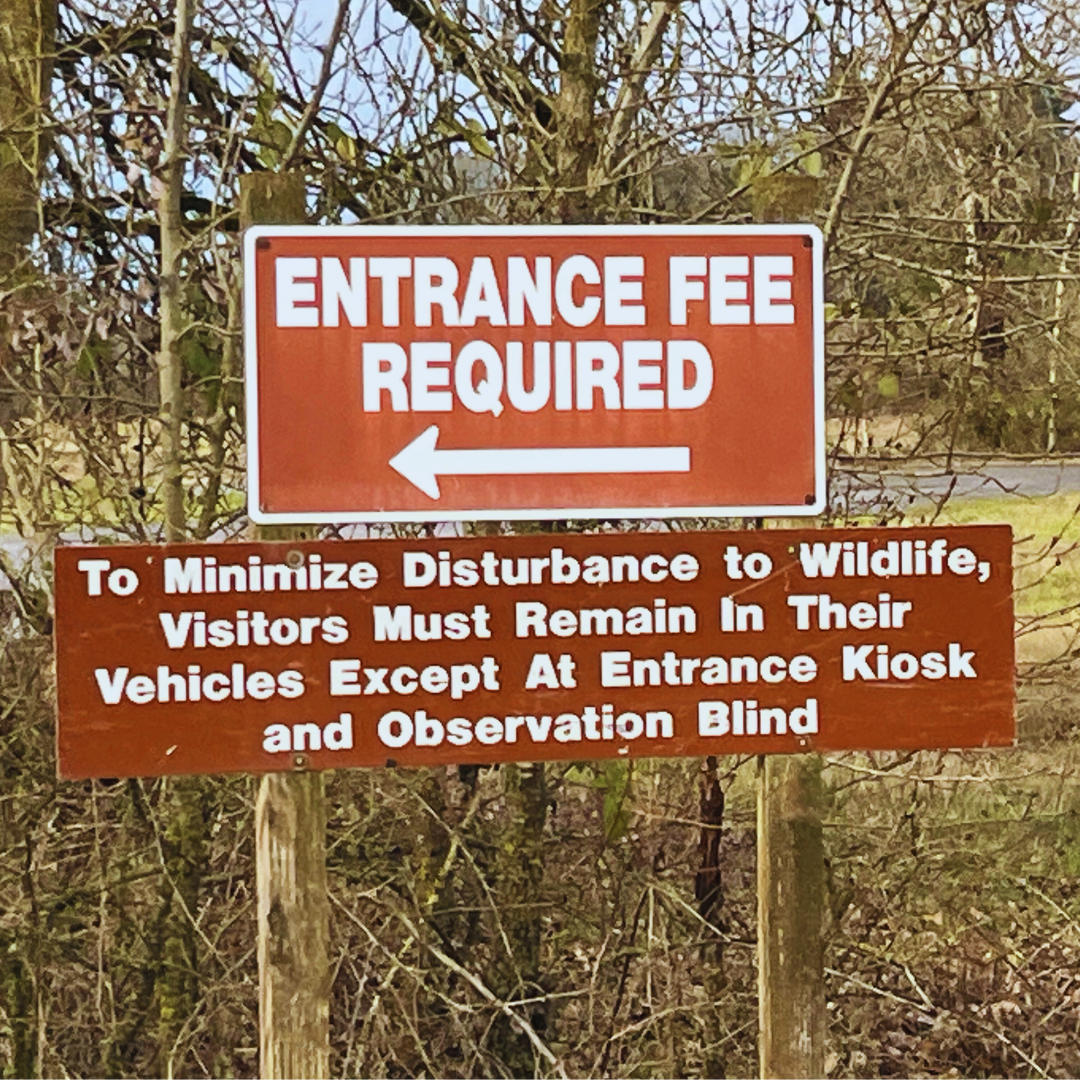
Allow 30–60 minutes for a leisurely drive, longer if you are serious about wildlife spotting. There is an observation blind along the loop — a sheltered structure with cut-out viewing windows — and primitive restrooms at a few points on the route.
Walking Trails — Yes, You Can Get Out and Explore
A lot of people assume the Refuge is drive-through only. It is not. There are real trails, and some of them are excellent for families.
-
Kiwa Trail Seasonal · May–SepAbout 1.4 miles, gravel and boardwalk. Stroller and wheelchair accessible. The best option for younger kids or anyone who wants an easy, rewarding walk without any elevation.
-
Carty Lake Trail Seasonal · May–SepEasy to moderate, with wetland views. Pairs well with a visit to the Cathlapotle Plankhouse in the Carty Unit.
-
Oaks to Wetlands Trail Loop Open Year-RoundThe one trail that stays open all year. Great for longer walks with older kids, or for families who want to explore on foot during the fall and winter months when other trails are closed.
Wildlife You Are Likely to See
The wildlife at the Refuge does not feel curated or staged — animals are just doing their thing, and you happen to be there. That realness is what makes it memorable, especially for kids who have mostly experienced animals in zoo settings.
Spot a Columbian white-tailed deerThe Refuge actively contributes to conservation of this threatened species. They are smaller and lighter-colored than the black-tailed deer you will see more commonly. If you see one, it is a genuine highlight — bring binoculars and a simple wildlife checklist for the kids to turn the whole visit into a scavenger hunt.
"The wildlife at the Refuge does not feel curated or staged — animals are just doing their thing, and you happen to be there. That realness is what makes it memorable."
The New Community Nature Center Is Open
If you visited the Refuge in previous years and noticed a big building going up near the headquarters, the wait is over. The Community Nature Center is now open and its grand opening is May 3rd. It is designed to expand educational programming, visitor resources, and outreach — and it makes the Refuge feel like a much more complete destination, especially for first-time visitors trying to orient themselves before heading out on the tour or trails.
Community Nature Center Ribbon Cutting — May 3
The grand opening of the new Refuge headquarters and Community Nature Center is happening May 3rd. If you have been wanting a reason to finally make the trip out, this is a good one.
See event detailsWhat Works for Which Ages
- Watching waterfowl from the car window
- Kiwa Trail (stroller-accessible, short loop)
- The observation blind along the auto route
- Spotting nutrias, which are objectively funny-looking
- Oaks to Wetlands or Carty Lake trails
- Binoculars and a wildlife checklist challenge
- Birding during peak migration (spring and fall)
- Exploring the Cathlapotle Plankhouse at Carty Unit
Practical Tips Before You Go
- Time your visit: Spring and fall are peak migration periods — the most wildlife, the most variety. Arrive early for the quietest, most active viewing before midday.
- Bring water and snacks: There are no picnic tables or drinking fountains anywhere on the Refuge. Pack for the full duration of your visit.
- No dogs on the Refuge: Dogs are not permitted on trails or the auto tour route. Leave them at home for this one.
- Check the official site first: Gate hours, trail closures, and seasonal access rules change. The Ridgefield NWR Visit page has current status.
- Bring binoculars: Even an inexpensive pair transforms the experience. Wildlife does not always come roadside — glass them from a distance and the kids will feel like real naturalists.
The Bottom Line for Families
The Refuge is worth it — genuinely. What makes it stand out is the range: a slow car loop for tired toddlers, stroller-friendly boardwalk trails, longer hikes for older kids with energy to burn, and serious birdwatching for anyone who catches the bug. You do not have to pick just one mode.
The opening of the Community Nature Center adds another layer, making it easier to orient yourself and learn before you head out on the tour. If you have been putting off the visit, spring is the right time to finally go.
More from Meanwhile in Ridgefield
