
The Waterfront, the Refuge, and What I Saw From a Golf Cart
The Port just released a summer's worth of community feedback on the waterfront project. I also spent an afternoon touring the actual site with the Port's executive director — and it turns out the thing everyone's been picturing in their heads is not quite the thing that's actually being built. It also turns out not everyone's on the same page yet: the Ridgefield National Wildlife Refuge's advocates have real, documented concerns of their own.
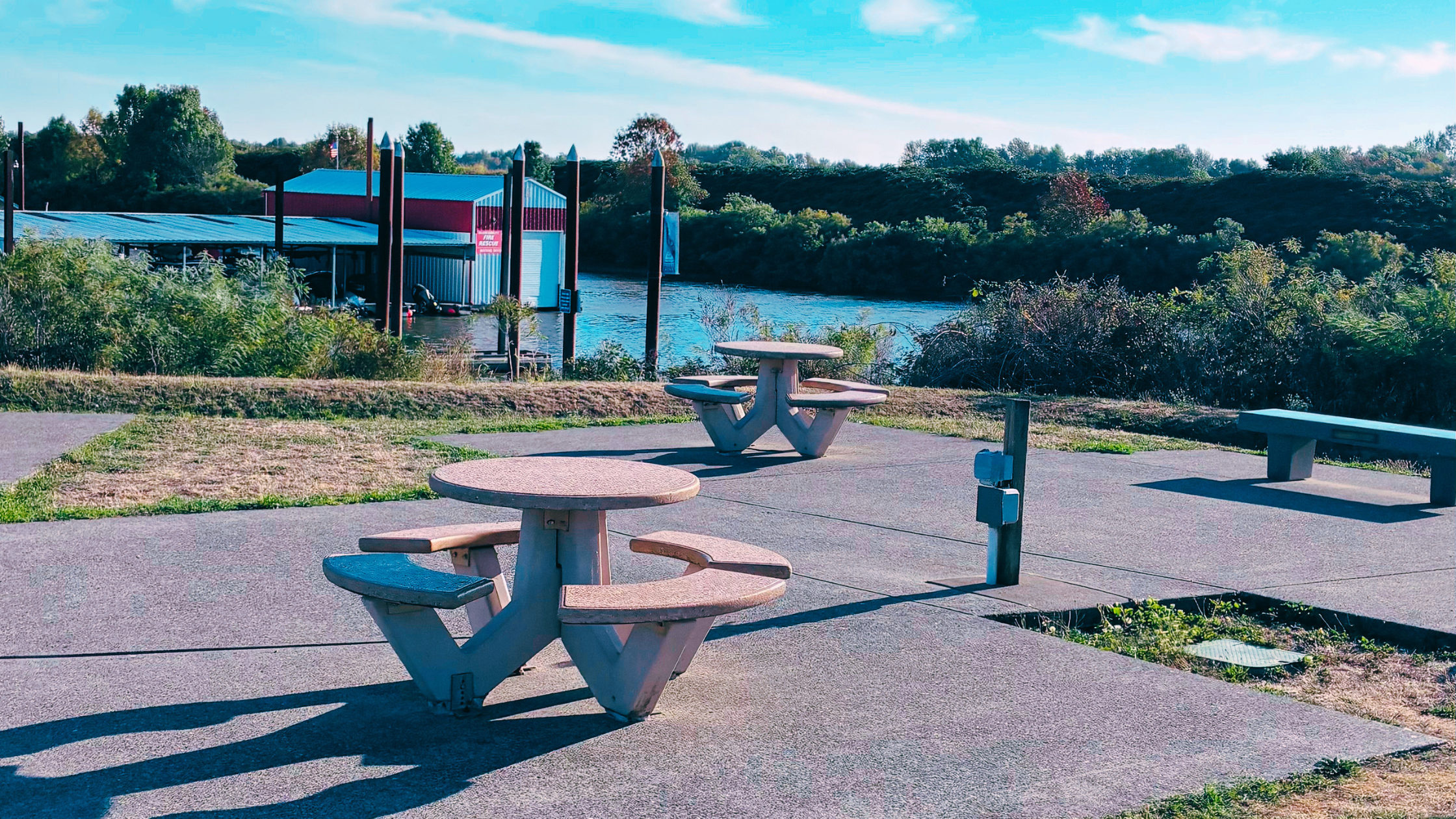
Here's the official version first, then I'll tell you what I saw with my own eyes. The Port of Ridgefield just wrapped up a formal round of community engagement on the waterfront redevelopment project — surveys, meetings, pop-up events, emails, the works — running June 17 through August 17. The goal was to hear from people across the Port's full 55-square-mile district, not just the folks who show up to every public meeting, and to get a sense of what this town actually wants sitting on that stretch of land along Lake River.
That effort produced two documents worth knowing about: a full engagement summary, and a freshly updated Q&A. Both are public. Both are dense. Here's the short version, and then we'll get into the part where I got on a golf cart.
What the Engagement Turned Up
The engagement summary lays out the community's top priorities and the pinch points people have with the current concept — the numbers are in there if you want to dig. The more interesting part, honestly, is the open-ended comments and in-person conversations, which paint a messier and more honest picture than a survey chart ever could. Redeveloping 40 acres of waterfront in the middle of a small town is genuinely complicated, and the Port has been upfront that it's trying to balance a wide range of opinions here — not everyone pictures the same waterfront.
The Q&A Just Got a Refresh
On September 1, the Port published an updated Q&A that folds in questions from the June community meeting plus whatever came up over the rest of the summer. If you've had a "wait, what does that actually mean" moment following this project, there's a decent chance it's addressed in there.
Key Dates & Details
So I Took the Golf Cart Tour
A few weeks ago, Abbi Russell at the Port invited me out to join their golf cart tour of the waterfront with Executive Director Ethan Perry, and I said yes before she finished the sentence. I've looked at the renderings like everyone else. I've read the concept plans. I've attended the meetings. None of it prepared me for what it actually feels like to stand on that property.
It's Bigger Than You Think — and the Development Is Smaller Than You Think
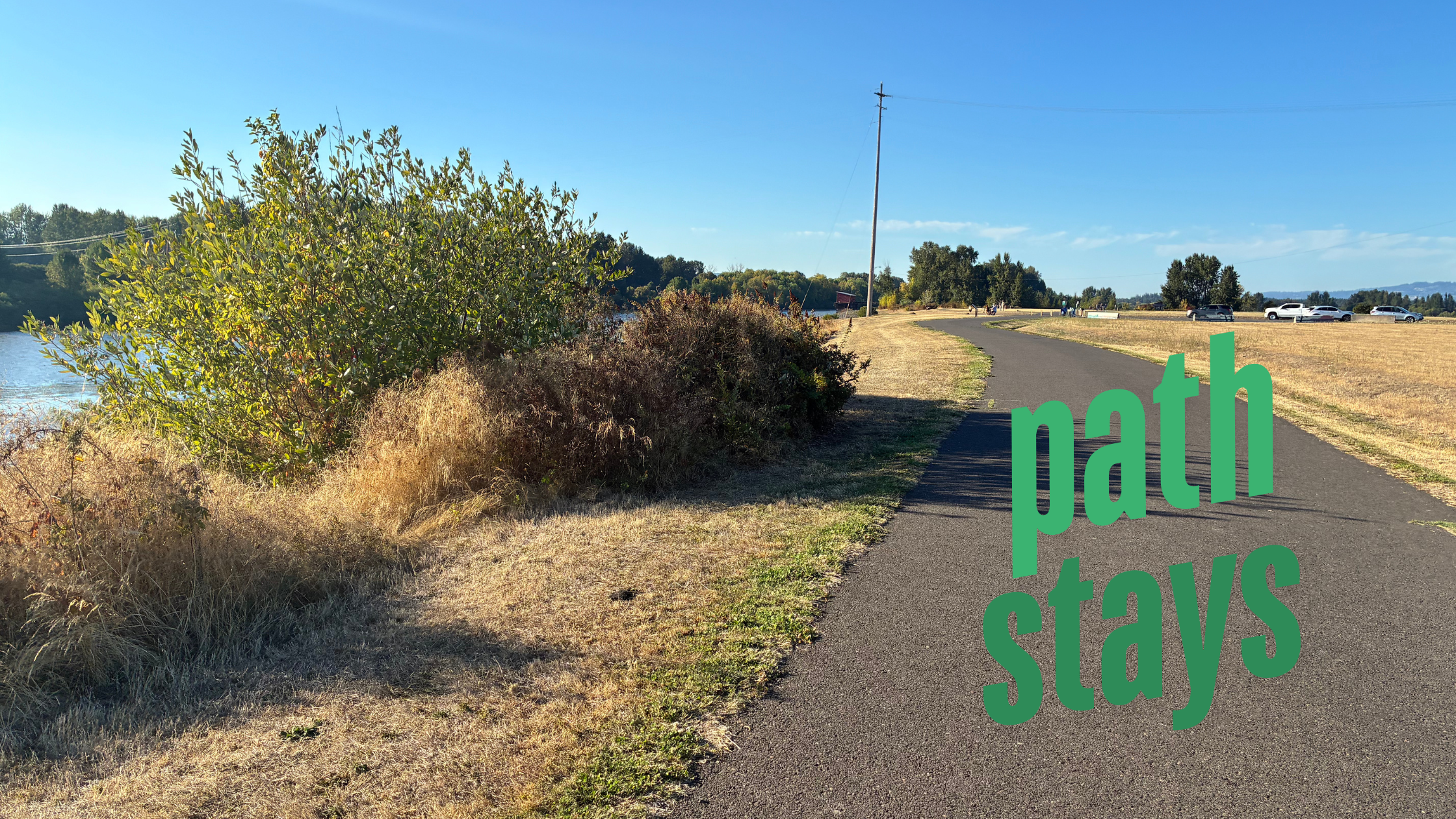
The Port owns roughly 40 acres in and around downtown, and the tour covered a good chunk of it. Here's the thing nobody tells you from a rendering: the proposed first-phase development footprint is small compared to the total site. The trail stays. The area to the left of the trail stays open. The actual building is planned to the right of the trail, tucked back toward the road and the railroad tracks.
I had pictured the whole waterfront getting bulldozed and filled in. Standing there, that's just not what's happening — at least not yet, and not all at once.
A Long Cleanup, Finally Finished
Here's a piece of Ridgefield history I did not fully appreciate until this tour: decades ago, part of that waterfront was used by Pacific Wood Treating, a heavy-industrial lumber operation that closed down, and creosote from that operation ended up contaminating not just the waterfront but nearby residential yards, wherever those trucks tracked it. The Port has spent close to 30 years cleaning that up.
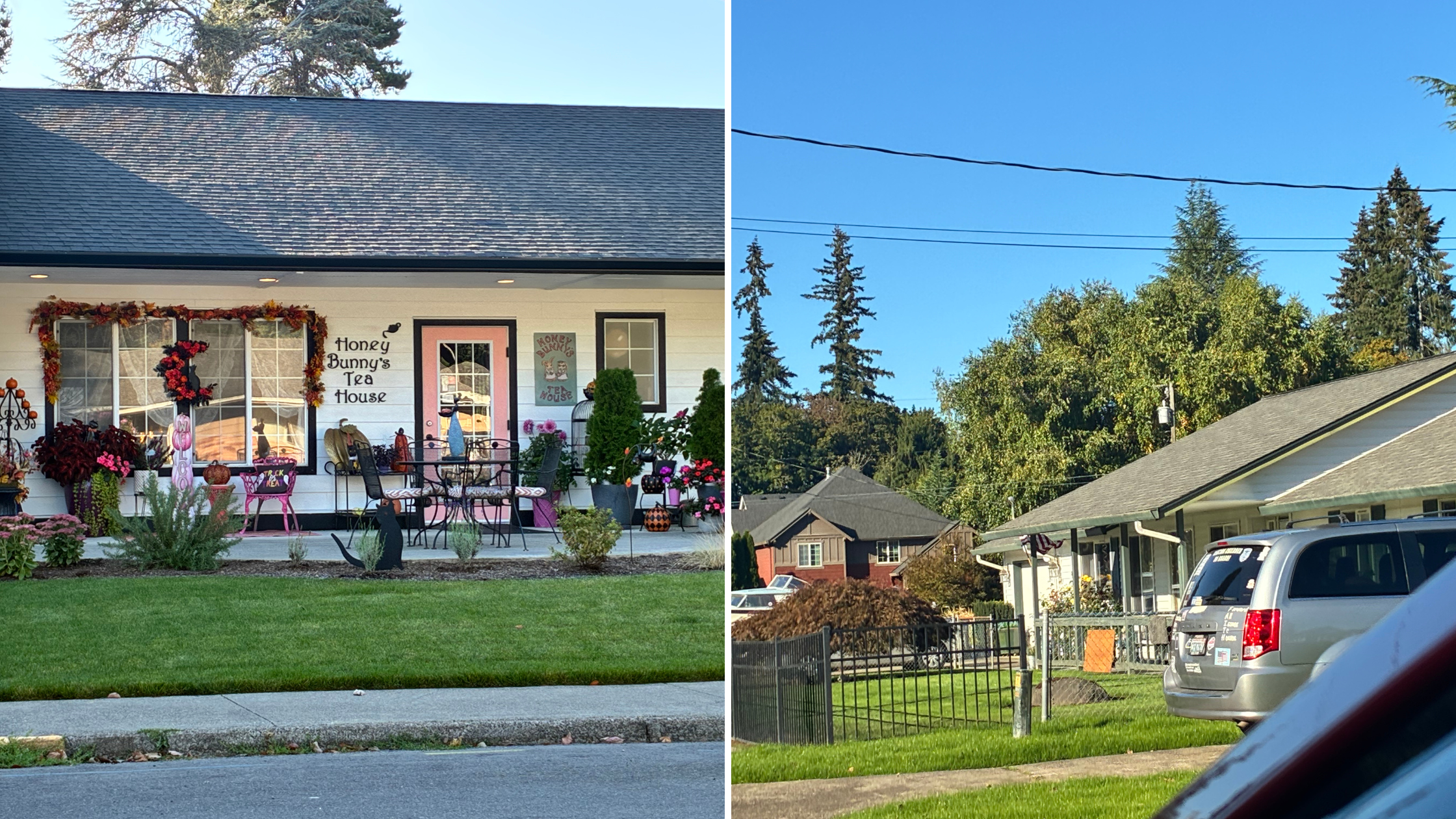
And as of this past month, the cleanup near Myrtle's Tea House is actually done. If you walk by there now, that's new sod you're looking at — freshly finished remediation, not just landscaping for the sake of it.
The remediation method itself is basically an engineered cap — clean soil and material layered over the contaminated ground to isolate it. The Washington State Department of Ecology officially declared the cleanup complete in 2015, after nearly two decades of remediation, and that determination came with ongoing covenants — including limits on planting anything with roots deep enough to disturb the cap. And another golf cart tour rider asked the obvious question: what happens when Palindrome actually needs to build on top of that? Ethan explained that when construction eventually begins, there's a specific process for doing it safely, even if they have to disturb what's underneath. That process is directed and overseen by Ecology. The type of contamination involved doesn't move with rainwater the way people tend to assume — it's not going anywhere on its own, cap or no cap, which is part of why the site is now considered ready for redevelopment in the first place.
Building to Look Like the Refuge, Not Next to It
This was my favorite part of the tour. Both the Port and Palindrome — the developer on this project — have expressed that they want the whole thing to feel distinctly Pacific Northwest and Ridgefield, and specifically to feel like an extension of the Ridgefield National Wildlife Refuge rather than something plopped down next to it. Ethan pointed at Carty Lake and basically said: that's the look they're chasing. Not a generic waterfront development that happens to be near a refuge — a development that reads like the refuge kept going.
Practically, that includes bird-friendly glass and adjusted lighting, which Ethan told me Palindrome has committed to installing. The Port and the refuge are clearly talking to each other, which — if you've followed enough contentious development projects — isn't nothing. But "talking" and "agreed on everything" are two different things, and it's worth being straight with you about which one this actually is. More on that below.
The Friends of the Refuge Aren't Fully On Board — Yet
One correction to my own framing: after the tour, I made it sound like the Port, Palindrome and the wildlife refuge were all rowing in the same direction. That's not the complete picture.
On August 27, the Friends of Ridgefield National Wildlife Refuge — a non-profit organization dedicated to protecting the Refuge, working closely with but separate from the U.S. Fish and Wildlife Service — published a formal position statement. They welcome investment on the waterfront, but have real concerns about the plan as currently drafted: collision and light-pollution risk from multi-story glass and unshielded nighttime lighting, disturbance to the thousands of wintering waterfowl that use Carty Lake, and worry that a high-impact commercial buildout could undercut the roughly $90 million in public cleanup money already invested there. Their ask is what they're calling a Refuge-Forward Gateway Vision — lower density and real buffers near the boundary, no multi-story lodging directly against it, bird-safe glass and dark-sky lighting, height limits, and more of the site going toward trails and parkland rather than dense commercial building.
Some of that — the bird-safe glass, the lighting adjustments — already lines up with what came up on my tour. Height, density and parking near Carty Lake are still open questions. And the density stat above cuts against the "high-density" framing, which is exactly the kind of tension worth watching as this plays out.
Where Things Actually Stand
I followed up with Jean Stemp, Co-President of the Friends, to ask where things stand today. Her take: this is an active conversation, not a standoff. The Friends first raised concerns with the Port back in April, after seeing the initial plans, and took time to consult outside experts before going public. She described the Friends' July 13 board meeting — where Ethan Perry and Abbi Russell walked the board through the plan directly — as productive, and said the Port has stayed open to continued dialogue.
A couple of practical notes: the Friends' full statement is posted on their website, and the public can request the USFWS letter referenced in it directly from the Port. The Friends meet the second Monday of every month; their next meeting is October 12. And if you want to support the Refuge itself, Stemp pointed to Friends membership and donations as the most direct way — the organization runs mostly on volunteers (it has one paid employee) and works on threats to the Refuge well beyond this one project.
New Ways to Get to the Water
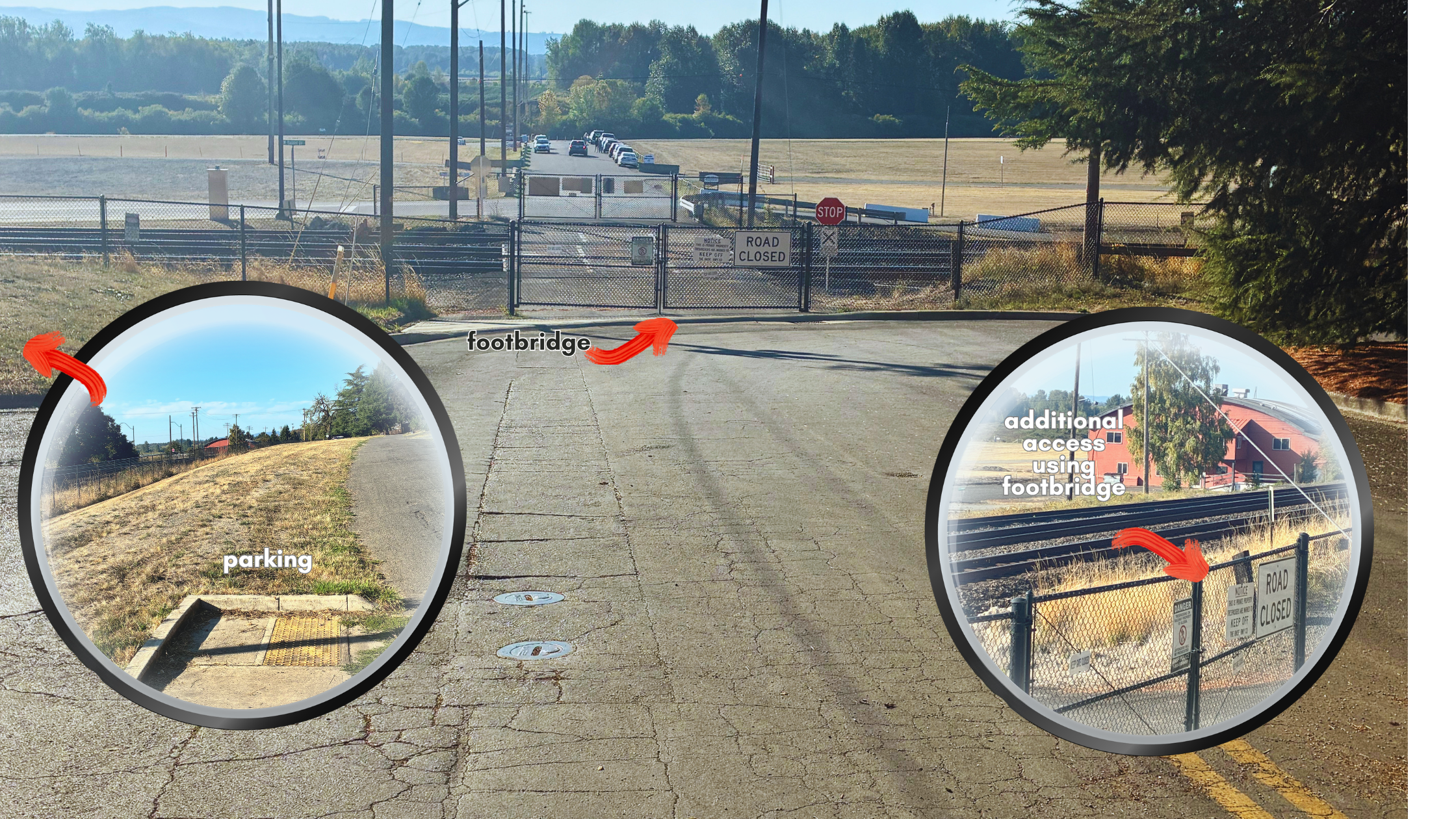
A few things planned for down the line that I'm genuinely excited about: a footbridge is anticipated to go in roughly where the old second crossing used to be, so you'll be able to park up top overlooking the waterfront and just walk down across the bridge. There's also an ADA-accessible kayak launch in the plans, and the existing boat launch is set to be expanded. And for anyone worried the beach is getting "improved" into something unrecognizable — the rocks are staying. They're part of the same capping system we talked about above, and sand simply isn't a substitute for it.
Small Businesses First, Not Big Boxes
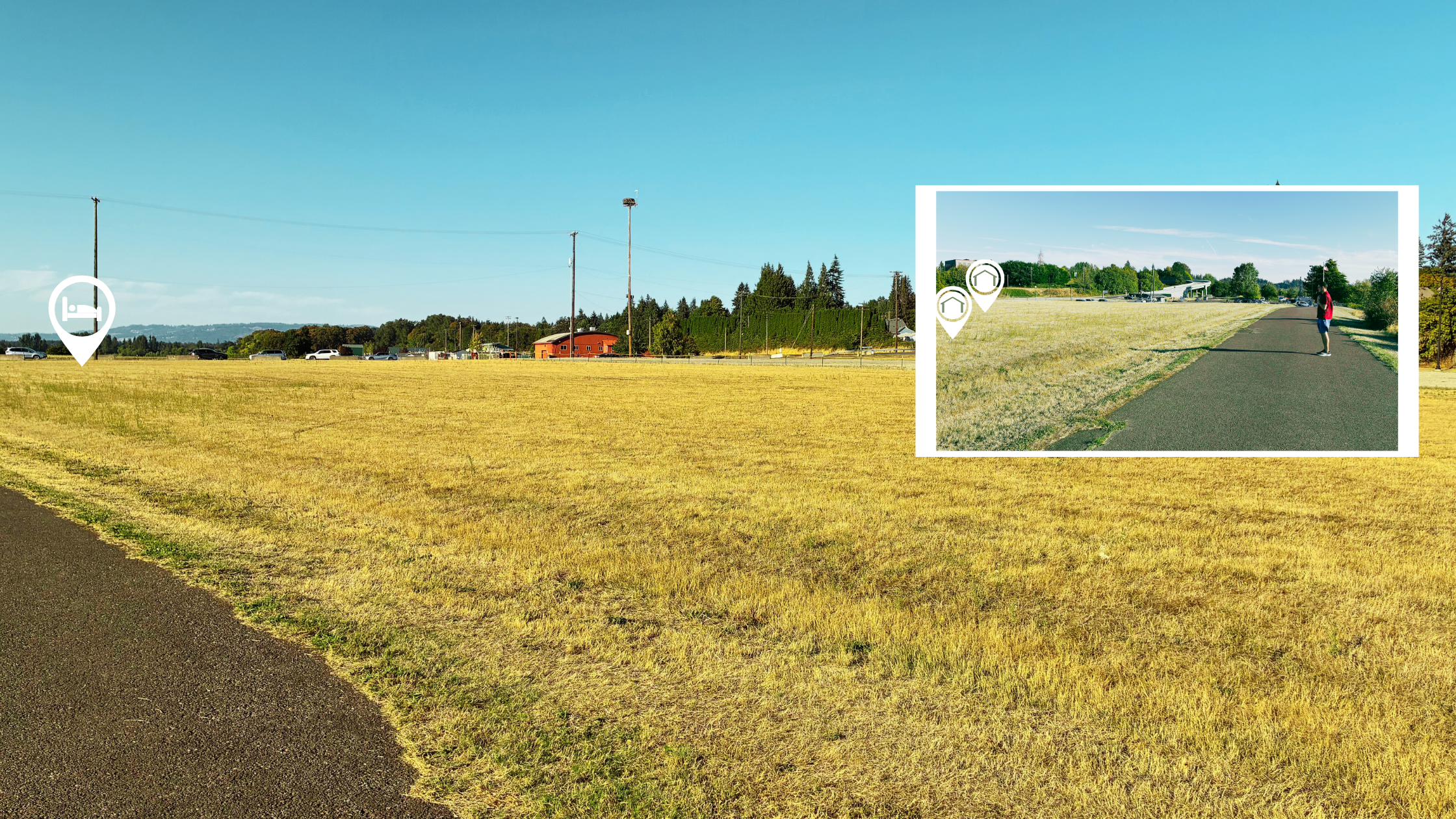
The first phase centers on an area that includes a small hotel and two buildings. The Port says it isn't yet at the level of detail where anyone can tell you square footage or how many tenants will fit in the mixed-use space. What the Port and Palindrome have committed to is the intent: spaces where small, local businesses can set up shop and actually thrive on the waterfront, not a waterfront handed to one big-box anchor.
If you want a preview of what could legally go in there, the City's zoning code already spells it out. Chapter 18.235 covers the Waterfront Mixed-Use (WMU) zone, and about halfway down the page there's a table, "Specific WMU Land Use," showing what's permitted, limited, or not allowed. It's municipal code, so pack a snack, but it's the real answer to "could a ____ go there?"
The intent, as explained to me, is to let those first spaces start generating lease revenue that helps fund the next phases. This is a build-as-you-go project, not a single massive construction push.
One More Building, One More Story
The tour also swung past the Greely Building, which the Port owns but isn't part of the waterfront project — worth a quick mention here, even though it deserves its own full post eventually. Bringing it up to code would run between four and five million dollars, which is a hard no for now. (Bringing it up to code and renovating it to support a community market concept is closer to nine million.) It also can't currently be leased to private companies for insurance reasons, so it's used exclusively for city events — plenty of those, but no, you can't book your wedding reception there. What happens to it long-term is genuinely still up in the air, and I'll be digging into that separately.
What Actually Changed for Me
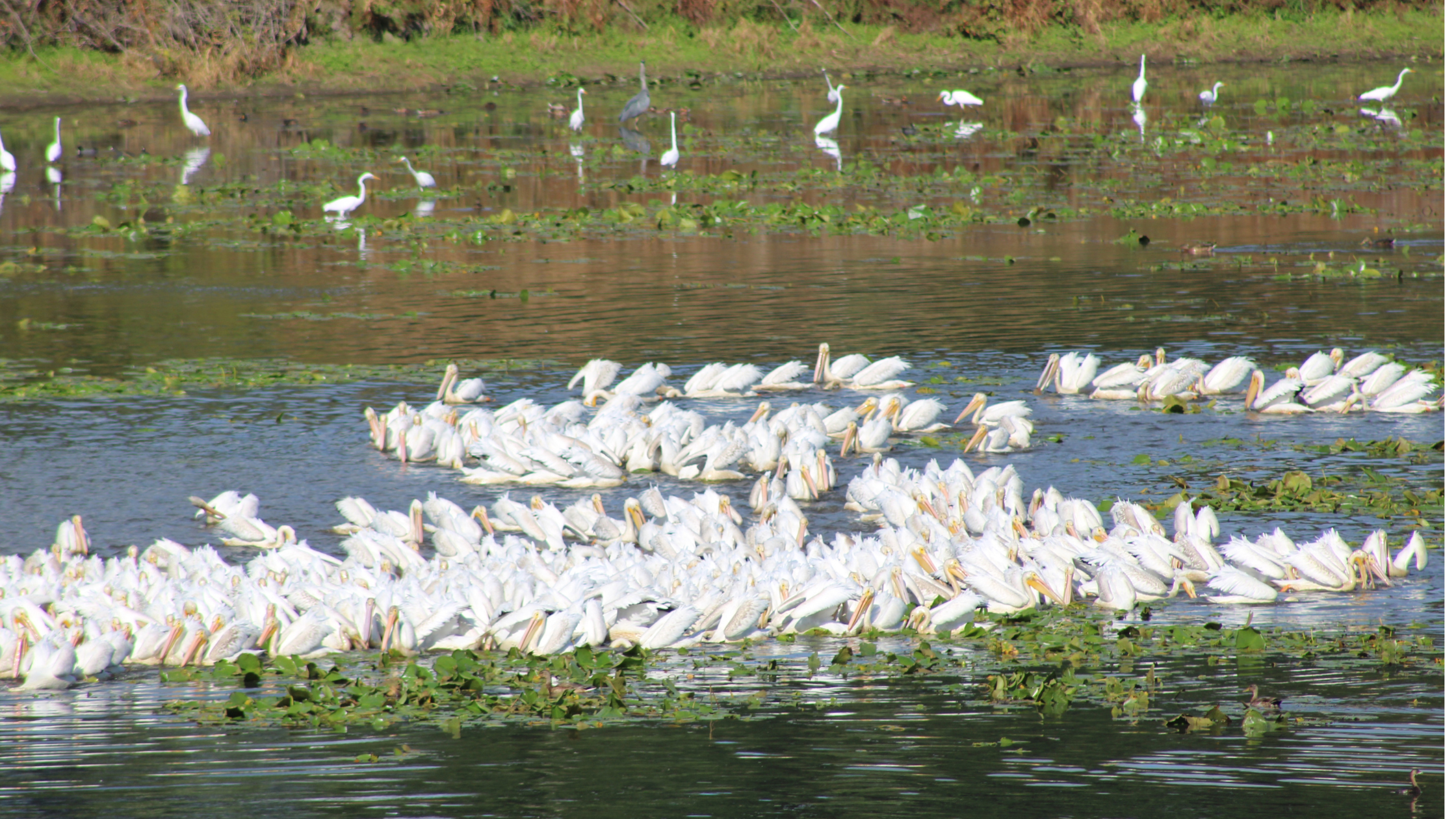
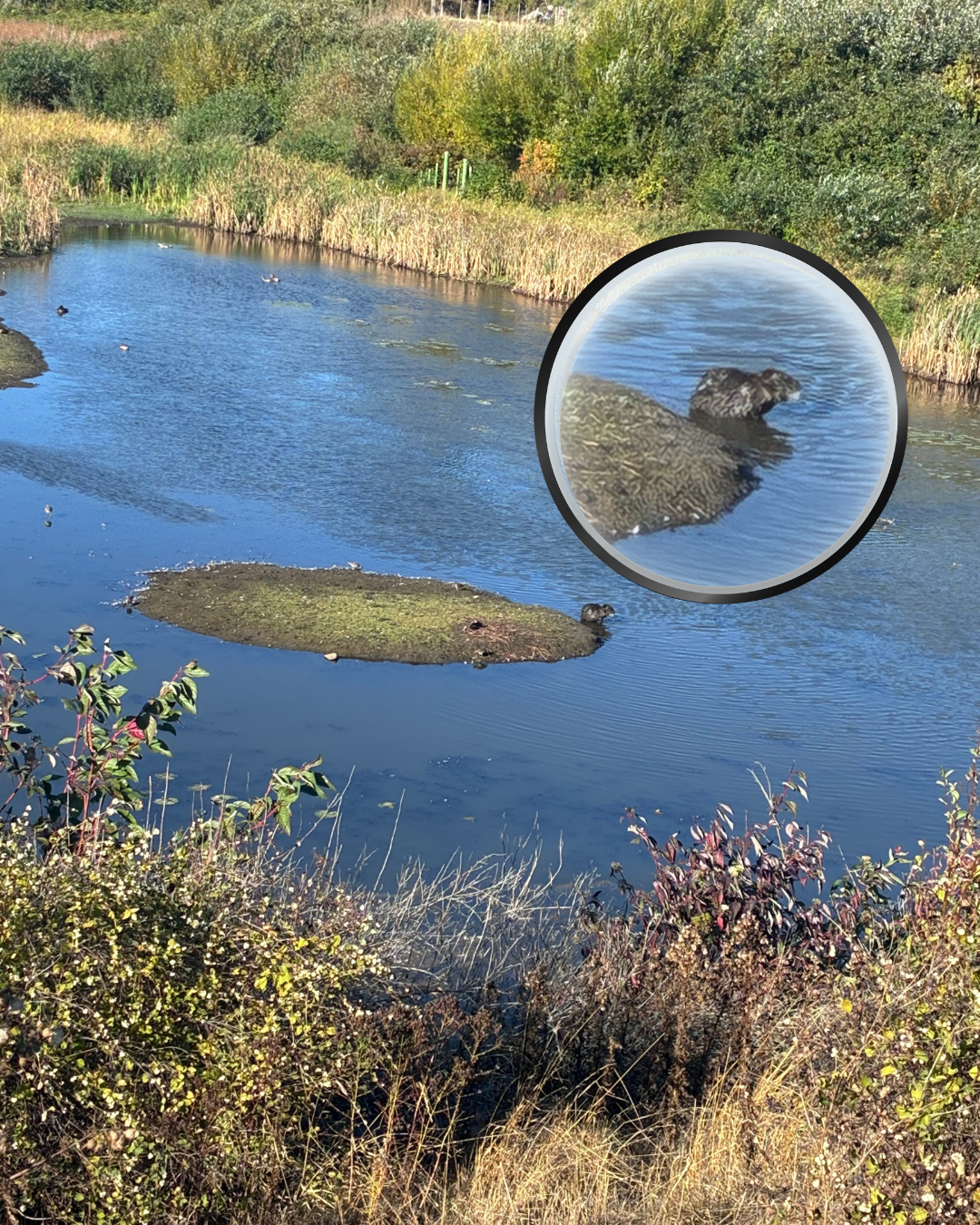
Yesterday I was walking down by the waterfront and watched a slightly manic nutria — I clocked it as a marmot at first, which I've since learned is an extremely common way to be wrong about a nutria — basically living its best Rodent-Of-Unusual-Size life, swimming laps with a few friends and hauling out onto a little island while a heron (or an egret; I genuinely cannot tell the two apart and I've made peace with that) and what looked like several hundred ducks watched, or didn't, or gave a very convincing performance of not watching. It was lovely. It was extremely Ridgefield. And it made me understand, a little more than I did before, why people feel so protective of all of this.
Here's the thing I keep turning over, though: the only reason there's a nutria doing laps out there at all is thirty years of Port-funded cleanup on land that used to be an industrial mess. Without that, there's no waterfront to fight about in the first place — just the mess.
I think a lot of the anger under all of this isn't really about unit counts or site plans. It's fear — fear of change, fear of getting fed a line (which, on the wider landscape of how development usually goes, feels more like the norm than the exception), fear of loss, fear of the very human instinct that has, historically, not been kind to the natural world. People want to be good stewards. When a developer says "we're building," that fear covers everything from ourselves to the long-necked bird by the water to the objectively adorable, objectively kind of gross rodent paddling past it. Snakes are exempt from this sympathy. I don't make the rules, I just personally cannot with the snakes.
But at some point, trust has to enter the equation — especially with a project that is, at this point, simply going to happen. The waterfront is being redeveloped. That part isn't up for a vote. What's still genuinely up for grabs is how closely anyone pays attention while it happens: whether we fight it on principle without looking closely, or actually look at what we're being shown and told, and hold it to the specifics. The second option is a lot more useful. It's the one I'm trying to do here.
The honest answer, beyond all that, is: the scale. What I had pictured, based on renderings and secondhand conversation, was bigger and more concentrated than what's actually being proposed for phase one. Seeing the open space in person made the phased approach click in a way it hadn't before. There are still real, legitimate questions on the table — traffic, boat access, the exact building heights, exactly which refuge asks make it into the final plan — and I intend to keep asking them. But I walked away from that golf cart, and now from a very good nutria encounter, with a noticeably clearer picture than I had walking in.
More from Meanwhile in Ridgefield
- Ridgefield News — what's happening in town right now
- All Local Guides — everything else worth knowing about Ridgefield
If the waterfront matters to you, the Oct. 9 workshop and Oct. 14 Commission meeting are both open to the public — worth showing up for. And if you've got questions about the project I haven't covered here, send them my way. I've clearly got a source with a golf cart.
