
Something big — and very much not visible yet — just got approved on the Columbia River.
Federal regulators gave environmental clearance for a major ship turning basin project near the Port of Kalama and Longview. On paper it sounds technical: dredging, navigation improvements, and turning space for cargo ships.
But projects like this quietly shape entire regions.
Even though the construction would happen downriver, towns like Ridgefield, Woodland, and La Center are likely to feel the effects long before most people realize why.
Let’s break down what’s actually happening — and why it matters locally.
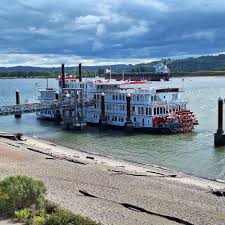
What Is the Kalama Ship Turnaround Project?
The Port of Kalama and Port of Longview want to expand a section of the Columbia River so modern cargo ships can turn around safely.
Today’s shipping vessels are significantly larger than when many ports were designed. Instead of maneuvering carefully and slowly, ships need wider and deeper areas — essentially a giant water turnaround.
The project would:
-
Deepen portions of the river to about 43 feet
-
Create a roughly 1,000-foot-wide turning area
-
Allow larger export ships to use the ports more efficiently
-
Reduce congestion and shipping delays
The federal review acknowledged some impact to fish habitats but determined it would not threaten overall species survival.
Construction still requires funding approval, but environmentally — the project now has a green light.
Why Ports Care About This
Ports live or die by ship size.
Bigger ships carry more cargo, which lowers shipping costs. If a port can’t handle them, companies go elsewhere. So improvements like this aren’t cosmetic — they determine whether a port grows or slowly declines.
In short:
If the Columbia River wants to stay competitive with other West Coast trade routes, it has to accommodate modern shipping.
And that’s where local towns come in.
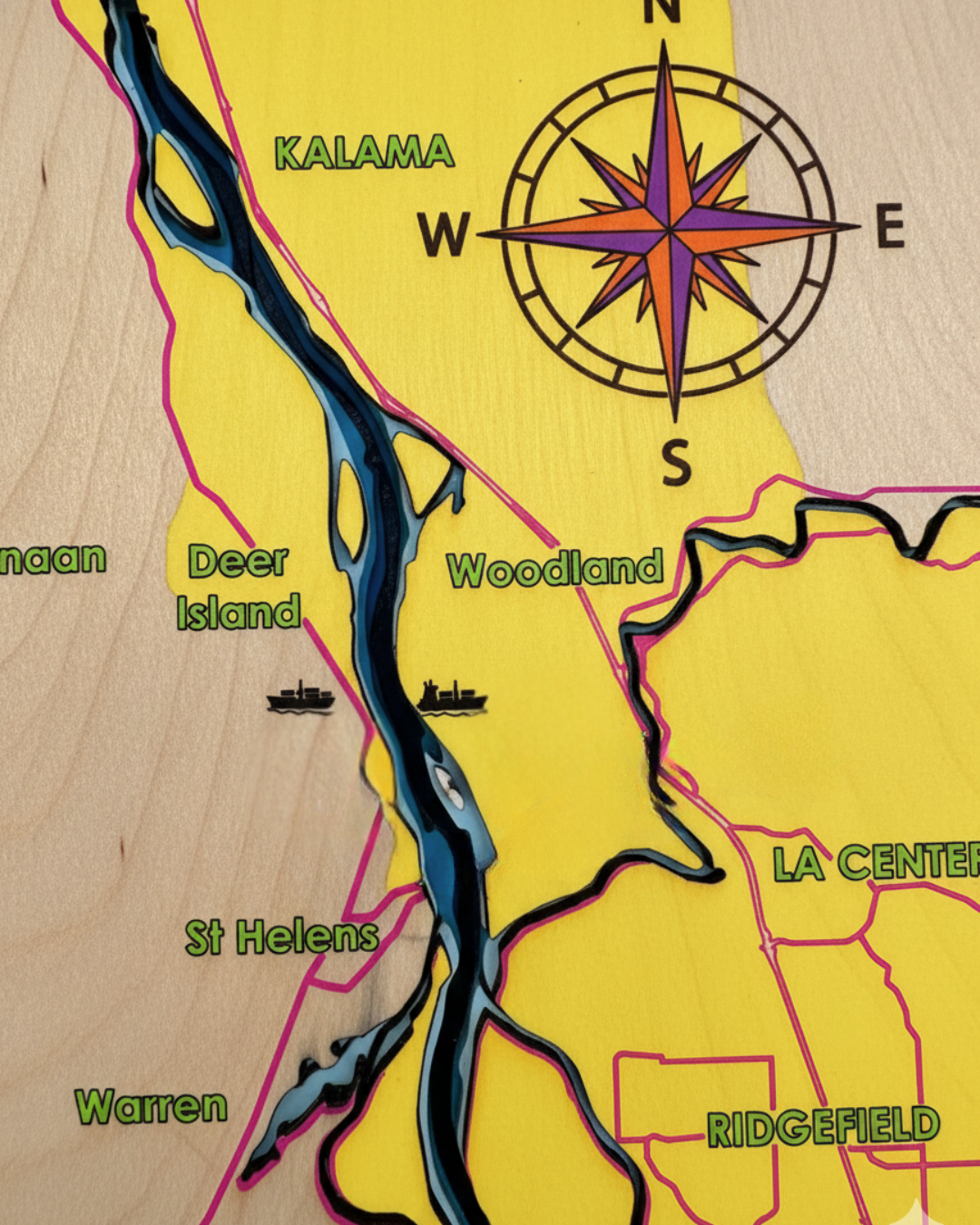
What It Means for Kalama
Kalama becomes more of a working port town.
Expect:
-
More cargo activity
-
More rail and truck movement
-
Increased industrial development near the waterfront
Property near the port tends to shift toward industrial use rather than residential over time.
What It Means for La Center
La Center isn’t a port city, but economic stability spreads outward.
Projects like this often strengthen long-term employment in the region. That stabilizes population growth and increases demand for nearby residential areas.
It usually happens slowly — but steadily.
What It Means for Woodland
Woodland often will most likely become a support zone.
Ports attract logistics companies, warehouses, and transportation services. Workers still need housing nearby but not inside the industrial corridor.
Woodland can expect to absorb some of that growth:
-
Distribution buildings
-
Commuter housing
-
Gradual commercial expansion
What It Means for Ridgefield
The rapid growth we are currently experiencing in Ridgefield will be sure to contine.
Historically, when a river corridor industrializes:
working waterfronts intensify
livable towns nearby become more desirable
That can translate into:
-
Increased housing demand
-
More restaurants and small business growth
-
Stronger commuter community ties to the river economy
-
Continued population growth pressure
Environmental Changes to Watch
Dredging alters sediment movement in rivers.
Over time this can subtly affect:
-
Fishing conditions
-
Sandbars and shoreline areas
-
Water recreation spots
These changes happen gradually, sometimes over years, not months.
The Big Picture
This isn’t just a Kalama project — it’s a regional economic shift.
Ports expand → jobs stabilize → people relocate → towns evolve
The Columbia River has reshaped communities along it many times before. This is likely another one of those moments happening quietly in the background.
FAQ’s
Will larger ships travel past Ridgefield?
No. The ships will operate in deeper port sections downstream, but economic effects move upriver through housing and business growth.
Will this increase traffic in Ridgefield?
Not directly from trucks, but indirectly through population growth and commuter patterns over time.
Does dredging affect fishing on the Columbia River?
Possibly. Dredging changes sediment movement, which can alter fish habitat gradually.
When will construction start?
The project still needs funding approval from Congress before construction begins.
