
Everything you actually need to know before you pack — from a community that's been watching this town grow in real time.
Ridgefield has been on a lot of people's radar lately — and for good reason. It sits in a genuinely rare spot: close enough to Portland and Vancouver to stay connected, far enough away to actually breathe. For families, remote workers, and commuters who've done the math on Oregon taxes, that combination is hard to argue with.
This guide is built from what people actually ask when they're thinking about making the move. Not a brochure. A real rundown — costs, schools, commute reality, what's here, what's coming, and what to know before you sign anything.
Where Ridgefield sits — and what that means for your daily life.
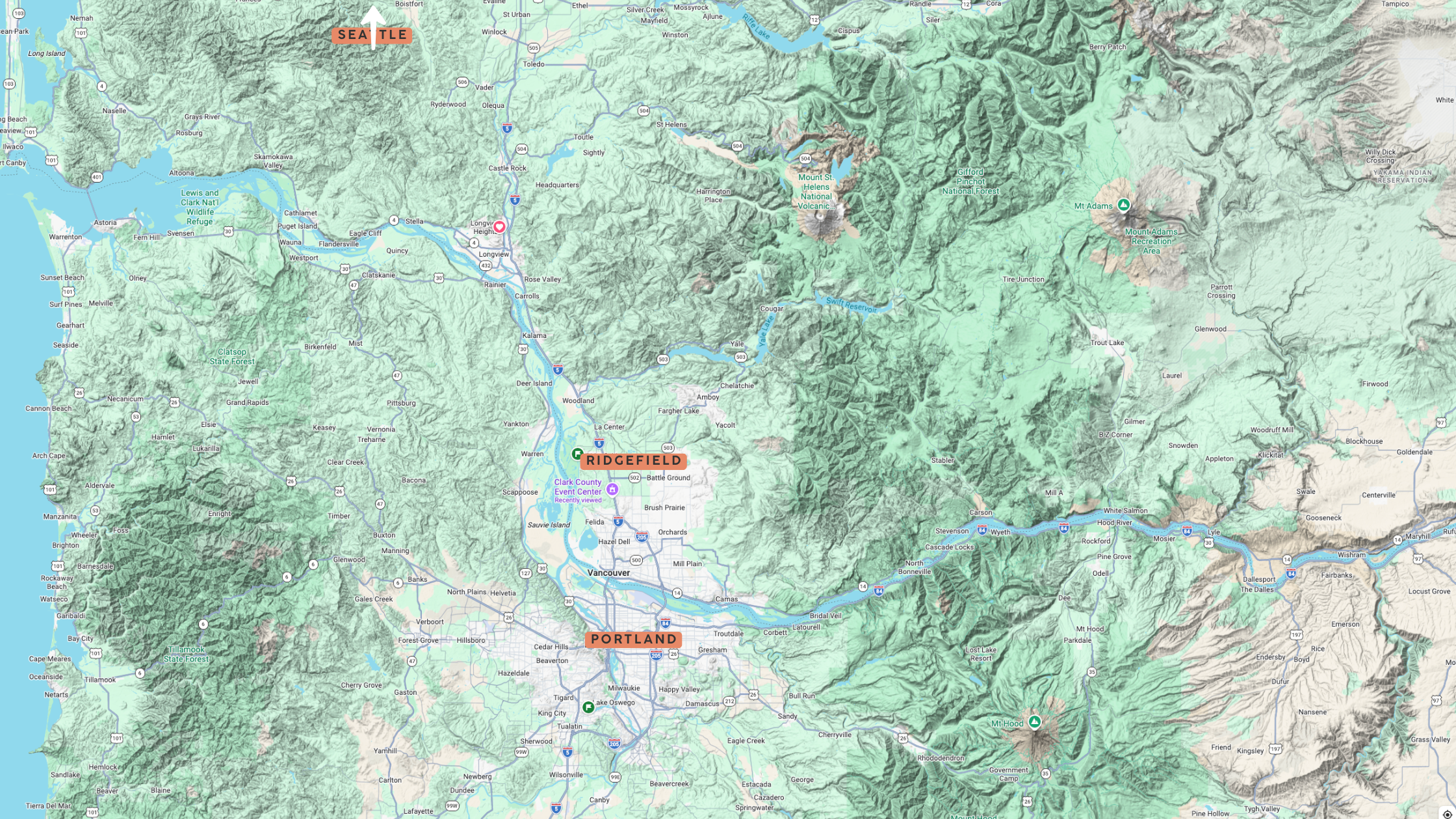
Ridgefield sits roughly 25–30 minutes north of Portland and about 15 minutes north of downtown Vancouver, WA — in ideal conditions. That caveat matters. I-5 through Clark County has real congestion during peak hours, particularly the stretch between SR-502 and the Interstate Bridge.
For Portland commuters, budget 40–50 minutes on heavier mornings. For Vancouver commuters, 20–25 minutes is more realistic as a daily number. The good news: remote and hybrid work has changed this equation significantly for many new residents — Ridgefield's growth has tracked closely with that shift.
Ridgefield is car-dependent — full stop. There's no meaningful public transit within town, and C-Tran connections require getting to a park-and-ride in Vancouver first. If your household needs two cars, plan for it. That said, the town itself is small enough that most local errands are a 5-minute drive, and SR-501 keeps you connected to Battle Ground, La Center, and points east without touching I-5.
SR-502 east of I-5 gives you a useful back route to Battle Ground and the Padden Parkway corridor in Vancouver — worth knowing when I-5 is backed up.
What to expect from the market — and how Ridgefield compares.
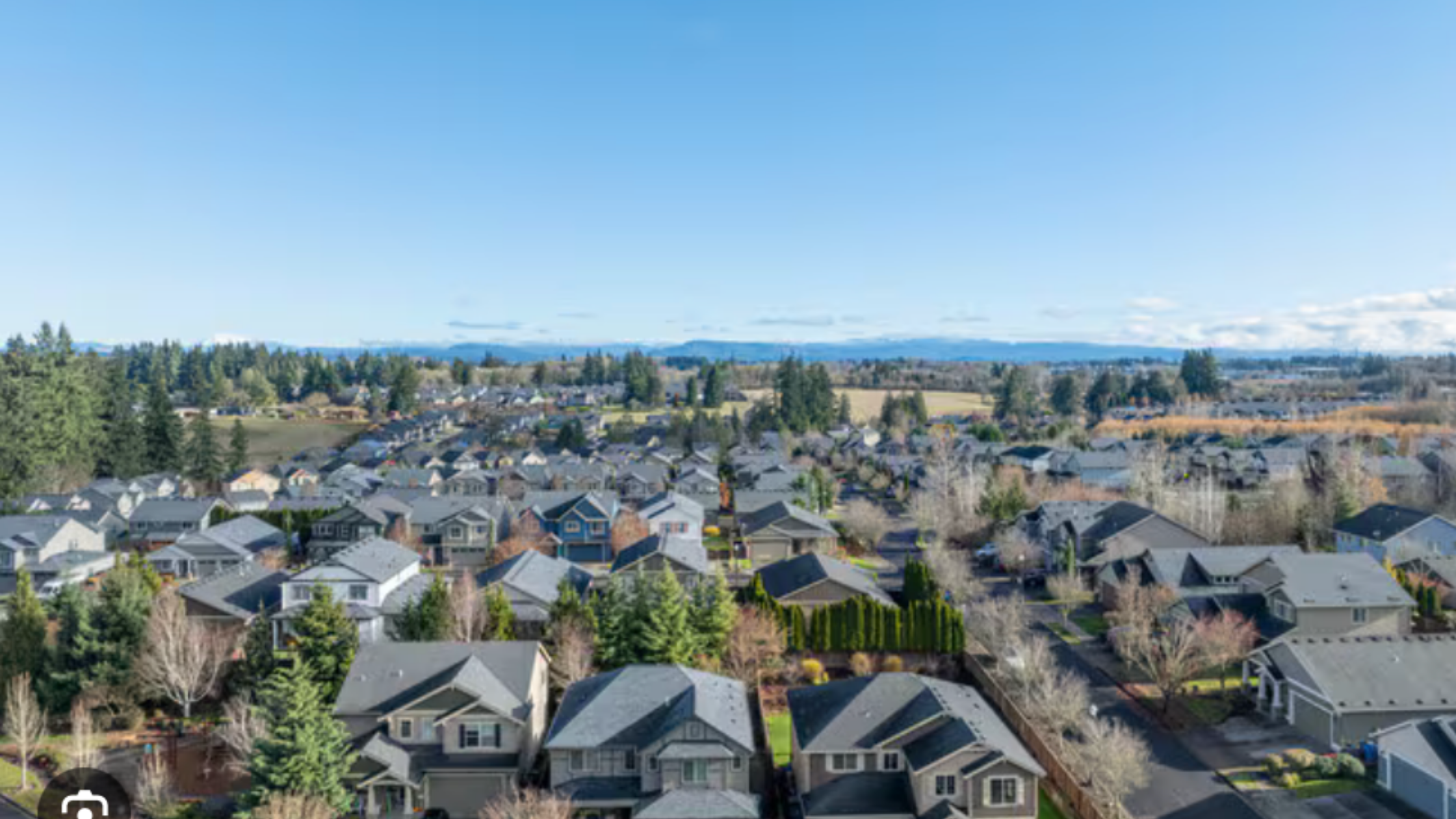
Ridgefield's housing market has stayed competitive because demand keeps showing up. The majority of inventory is newer construction — most of it built within the last 10–15 years — which means you're generally buying homes with modern layouts, energy efficiency, and HOA-maintained streetscapes. That also means less of the "character home" inventory you might find in older Clark County neighborhoods.
Median home prices in Ridgefield have tracked above the broader Clark County average, reflecting the school district reputation and newer stock. If budget is the primary driver, Battle Ground and La Center offer similar suburban character at lower price points. If school district and community feel are the priority, most people find Ridgefield worth the premium.
You'll find two flavors of neighborhood here. Master-planned communities dominate the newer development areas — sidewalks, parks, smaller lots, HOA structures, and a more suburban rhythm. On the other side of town, you'll find larger rural-style properties with more acreage, older homes, and a different kind of quiet. Both have loyal followings depending on what you're after.
Washington's lack of state income tax is the big headline, but daily cost of living is fairly comparable to the Portland suburbs. Groceries, utilities, and services run in the same range. Property taxes in Clark County are meaningful — factor them carefully when you're modeling total housing cost, especially coming from a lower-tax state.
Ridgefield's rental market is thinner than Vancouver's. If you're planning to rent before buying, you may have more options in the broader Clark County area while you get oriented.
Often the deciding factor — and Ridgefield delivers.
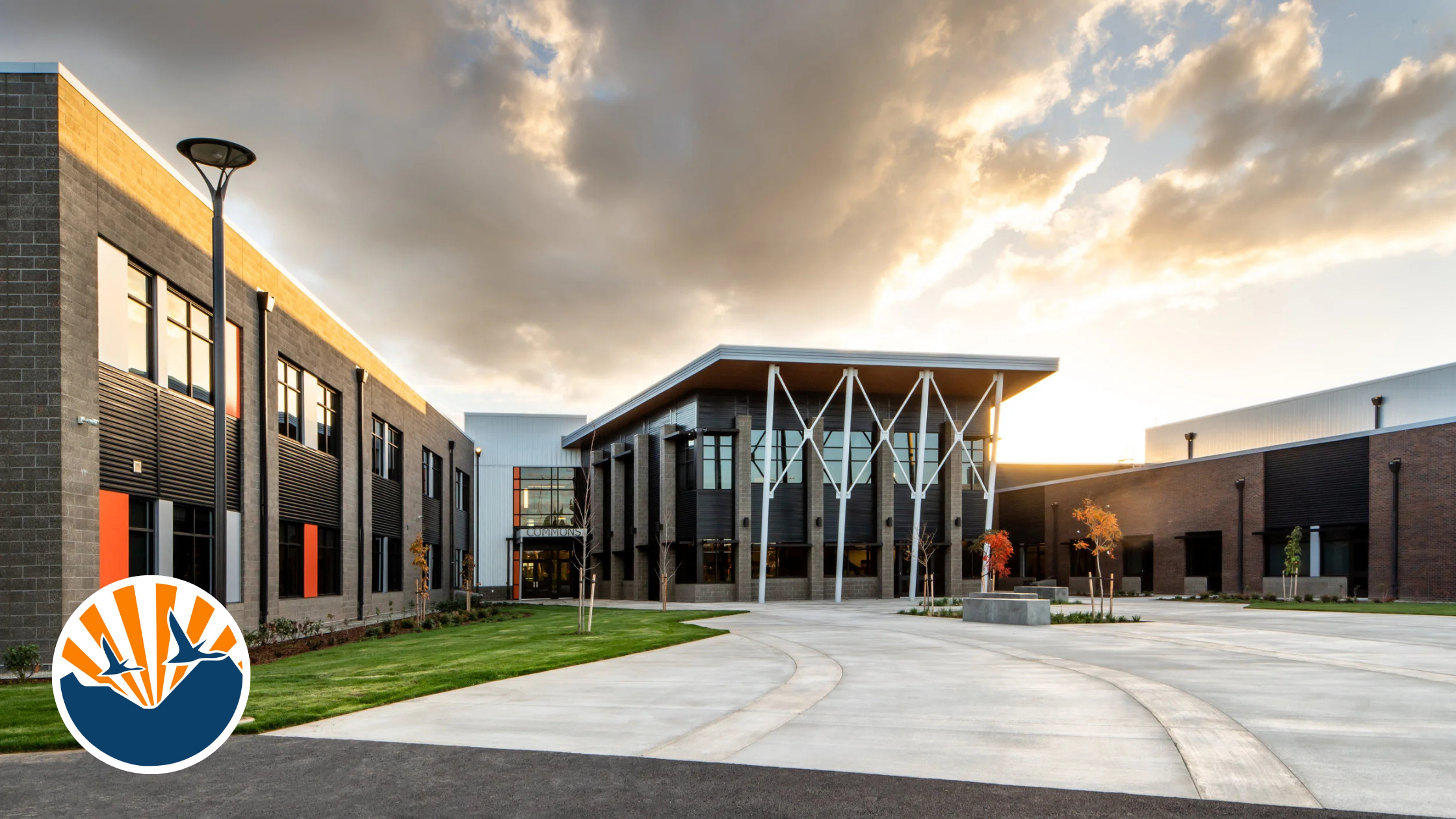
The Ridgefield School District is consistently among the more well-regarded districts in Clark County. Schools here are smaller by design — class sizes tend to be more manageable than in the larger Vancouver or Evergreen districts — and community involvement runs deep. Sporting events, fundraisers, and school performances feel like genuine town moments, not just scheduled obligations.
The district has been building to keep pace with residential growth, which is worth tracking as new neighborhoods continue to come online. New families should verify current enrollment zones and any boundary updates with the district directly, as these have shifted in recent years.
Ridgefield has the density of community activity that families tend to crave without the noise floor of a bigger city. Kids' sports leagues, school events, and local gatherings pull real participation. The grocery store recognition factor is real — this is still a place where people know their neighbors, which either sounds appealing or doesn't, and that's useful self-knowledge before you move.
For outdoor family activity, the Ridgefield National Wildlife Refuge and waterfront areas give kids genuine access to nature close to home. Clark County parks fill in the gaps with sports fields, trails, and recreational options that don't require a long drive.
What day-to-day life in Ridgefield actually looks like.

Small but genuine — walkable blocks, local businesses, and a town square feel that bigger suburbs have lost. Events draw real foot traffic and the kind of familiar faces that make a place feel like home.

The Ridgefield National Wildlife Refuge sits right at the edge of town — a legitimate natural area, not a groomed park. Waterfront access, trails, and Clark County parks round out the outdoor scene.

Ridgefield's local restaurant scene is growing but still developing. The real dining depth lives in nearby Vancouver and along the La Center corridor — and Portland is always within reach for a proper night out.
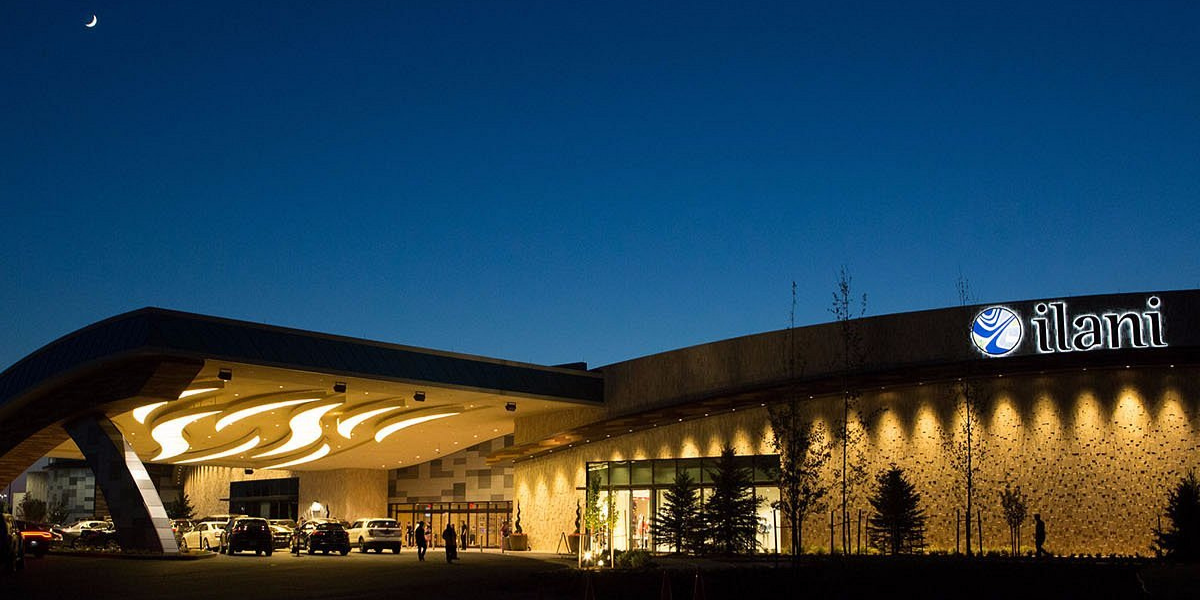
ilani Resort and the Clark County Event Center bring major entertainment to the area — concerts, shows, and dining that rival what you'd find in Portland proper. Farmers markets and community events keep the local calendar active.
The rest of this site is dedicated to what's happening here. A few places to start:
Ridgefield is actively becoming — here's what that means for new residents.
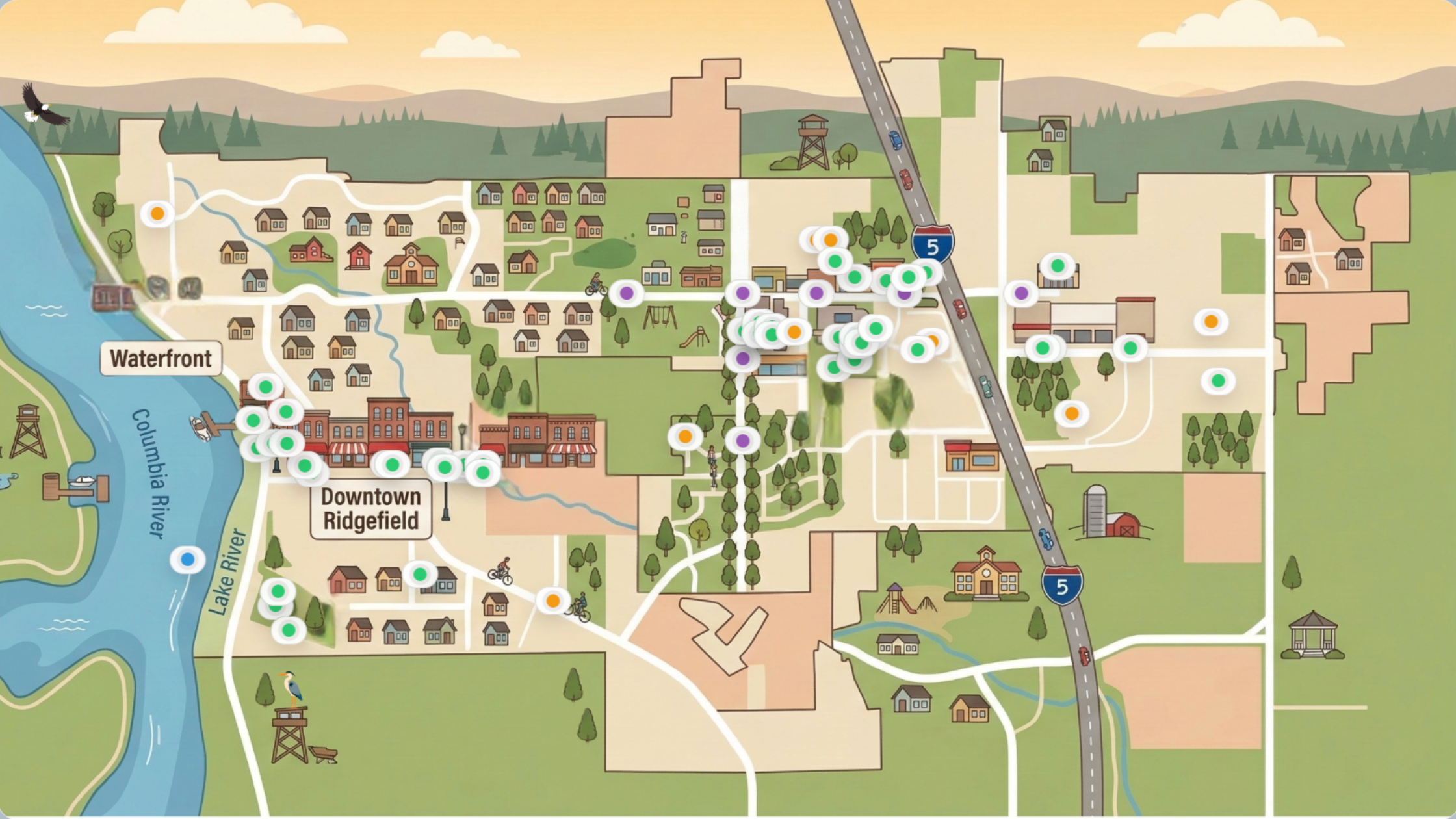
Ridgefield is one of Clark County's fastest-growing cities, and that's not a figure of speech — you'll see it when you drive through. New subdivisions, new school construction, new retail pads, and road improvement projects are visible and ongoing. For some people, watching a community build itself is genuinely exciting. For others, it's a reason to look at a more established area. Both reactions are reasonable.
Ridgefield's commercial development has been playing catch-up with its residential growth. That gap is closing. Additional retail and dining options have been in the pipeline, and the city's planning work reflects a community that's thinking carefully about what it wants to become — not just how many permits to issue.
Infrastructure is the honest caveat. Road capacity and utility buildout are real considerations in any fast-growing city. The good news is that Ridgefield's city government has been relatively proactive compared to some neighboring communities — but it's worth following local news to stay current on what's planned and what's funded.
Ridgefield's population has roughly doubled over the past decade or so, and growth projections suggest the pace won't slow significantly in the near term. That means the community you're moving into is still forming its character in some ways — which also means there's genuine opportunity to be part of something early.
Meanwhile in Ridgefield covers development news as it happens. Check the News section for current city updates, new business openings, and planning decisions.
The things people always ask before moving to Ridgefield.
Ridgefield has consistently lower crime rates than Portland and Vancouver proper. It's a small city with a community-focused culture — the kind of place where people know their neighbors, which has natural benefits for safety. Like anywhere, specific blocks and developments vary, and doing your own research on the street level is always worth it.
Ridgefield has a Fred Meyer as its anchor grocery, along with a growing base of local services. For more variety — Costco, Trader Joe's, Whole Foods, specialty stores — you're heading into Vancouver or occasionally Portland. This is improving as the commercial base grows, but you should expect to leave town for some errands, at least for now.
Thin. Ridgefield skews strongly toward owner-occupied housing, and the rental inventory is limited compared to Vancouver or Portland. If you're planning to rent first and buy later, you may have better luck finding a base in the broader Clark County area — Battle Ground, Salmon Creek, or Vancouver — while you explore the area before committing to a purchase.
Internet options in Ridgefield include providers serving Clark County — Xfinity/Comcast is the primary cable option in most neighborhoods, with fiber availability expanding but not yet universal. If you're a remote worker with high bandwidth needs, verify what's available at a specific address before you close. Utilities (power, water) are standard Clark County PUD and city services, consistent with what you'd find across the area. Want to talk to an actual human at Comcast? Meet our local contact below.
Many of the newer master-planned neighborhoods do have HOAs — that's common with the newer construction that dominates Ridgefield's inventory. HOA fees, rules, and enforcement quality vary significantly by development. Read the CC&Rs carefully before you buy, ask about the reserve fund status, and talk to current residents if you can. The older and more rural parts of Ridgefield generally don't have HOAs.
Ridgefield skews family-oriented — schools are a major part of what drives people here. That said, the outdoor access, community events, proximity to Vancouver and Portland, and the general pace of life appeal to plenty of people without kids. Remote workers in particular have found it a good fit: affordable relative to Portland, quiet, and close enough to urban amenities when you want them. If your social life centers on nightlife or dense urban culture, you'll commute for that.
This guide is just the start. Here's where to go next:
Ridgefield isn't a finished product — it's a community in motion. For some people, that's the whole appeal. If you're still figuring out whether it's the right fit, keep reading. The rest of this site is our ongoing attempt to capture what it's actually like to live here.
